Food & Wine in Milan: What to Eat, Drink and Skip in 2026
What are the local dishes I must try in Milan?
Start with risotto alla milanese. This is not a side dish. It is a main course. The rice is creamy, golden from saffron and always cooked al dente. A proper portion at a trattoria costs EUR 14 to 18. Do not order it with osso buco if you want to taste the rice itself.
Cotoletta alla milanese is a breaded veal chop fried in butter. It should be thin, crispy and large enough to hang off the plate. Expect to pay EUR 22 to 28. Luini makes a terrible version for tourists. Do not go there for real cotoletta.
Panettone in Milan is not a holiday souvenir. The best bakeries sell it year round. Martesana and Cucchi are the two addresses I trust. A 1 kg panettone costs EUR 25 to 35. The cheap supermarket versions are dry and full of preservatives.
Cassoeula is a winter stew of pork ribs, sausage and savoy cabbage. Heavy, fatty and perfect in December. Few restaurants serve it in July. If you see it on a menu in summer, the restaurant is using frozen ingredients.
Minestrone alla milanese is a thick vegetable soup with rice. Unlike the Genoese version, it has no pesto. Only beans, cabbage, leek and pumpkin. EUR 8 to 10 a bowl.
Where should I eat and where should I avoid?
| Restaurant / Area | Dish | Price per person (EUR) | Verdict |
|---|---|---|---|
| Trattoria della Pesa (Porta Genova) | Risotto + Cotoletta | 28 | My go-to for classic Milanese. Book 2 days ahead. |
| Osteria del Binari (near Garibaldi station) | Osso buco with risotto | 32 | Quiet, reliable, no Instagram crowd. Cash only. |
| Luini (Via Santa Radegonda) | Panzerotti | 5 | Tourist trap. Fried dough filled with cheese. Fine for a snack, not a meal. Queue is 20 minutes. |
| Ratanà (via San Fermo) | Modern Lombard | 40 | Good but trendy. Reservations mandatory. |
| Galleria Vittorio Emanuele restaurants | Anything | 50+ | Overpriced, mediocre food for the view. Skip. |
Tourist trap warning: any restaurant with a menu in English, Chinese, Spanish and French on the same page is targeting tourists. Walk away. Also, “ristorante pizzeria” in Milan means neither pizza nor restaurant is good. Go to a pizzeria that only serves pizza.
What wine should I drink in Milan?
Order Franciacorta. It is Italy’s best sparkling wine and it comes from 50 km east of Milan. A glass costs EUR 8 to 12. A bottle in a good restaurant is EUR 35 to 50. It beats Prosecco in complexity and Champagne in value.
For red wine, ask for Valtellina Superiore or Sforzato. These are Nebbiolo wines from the Alps. They are earthy, tannic and perfect with cotoletta. A glass is EUR 6 to 10. Do not order Chianti in Milan. It comes from Tuscany, 300 km away, and the locals will judge you.
White wine lovers should try Lugana. It is a fresh, dry white from Lake Garda, 120 km away. EUR 5 to 8 a glass. Perfect with risotto or fried fish.
One concrete warning: avoid “house wine” in a tourist area. It is usually bulk plonk from Sicily. If the restaurant is a true Milanese trattoria, the house wine is often drinkable. Otherwise, order a bottle by name.
What is aperitivo and how does it work?
Aperitivo is the Milanese happy hour. You pay for a drink and get access to a buffet. The cost is EUR 10 to 15. The drink is usually a Spritz, Negroni or a glass of Franciacorta. The buffet includes pasta salads, cold cuts, cheese, vegetables and sometimes hot dishes. In many bars, one drink and the buffet can replace dinner. The trick is to arrive at 18:30 when the food is fresh and fully stocked.
Best bars for aperitivo: Bar Basso (classic, no buffet but legendary), Radetzky in Porta Romana (great food, EUR 12 drink), Nottingham Forest (creative cocktails, EUR 16). Avoid Corso Como 10. The crowd is loud, the drinks are weak and the buffet is gone by 19:30.
Is street food worth it in Milan?
Mostly no. The panzerotti at Luini are popular but not special. You wait 20 minutes for fried dough. Do it once for the experience. The real street food is the focaccia from Pasticceria Taveggia (Via Uberto Visconti di Modrone) at EUR 4 for a slice with mortadella. That is authentic.
Another good quick bite is the michetta (Milanese bread roll) stuffed with salame or cheese at a proper salumeria. Try Peck in Via Spadari for a takeaway sandwich at EUR 8 to 10. It is expensive but the quality is high.
What is the best time of year for food in Milan?
Autumn (September to November) is peak season. White truffles from Alba appear on menus. A dish with truffles costs EUR 28 to 45. September also brings the Sagra del Pesce in the Navigli where you can eat fried fish for EUR 10.
Winter (December to February) is for cassoeula, polenta and panettone. The Christmas markets sell panettone and mulled wine. Prices are fair. Summer (June to August) is slow. Many restaurants close for two weeks. The food is still good but the city is quiet.
How do I avoid tourist traps?
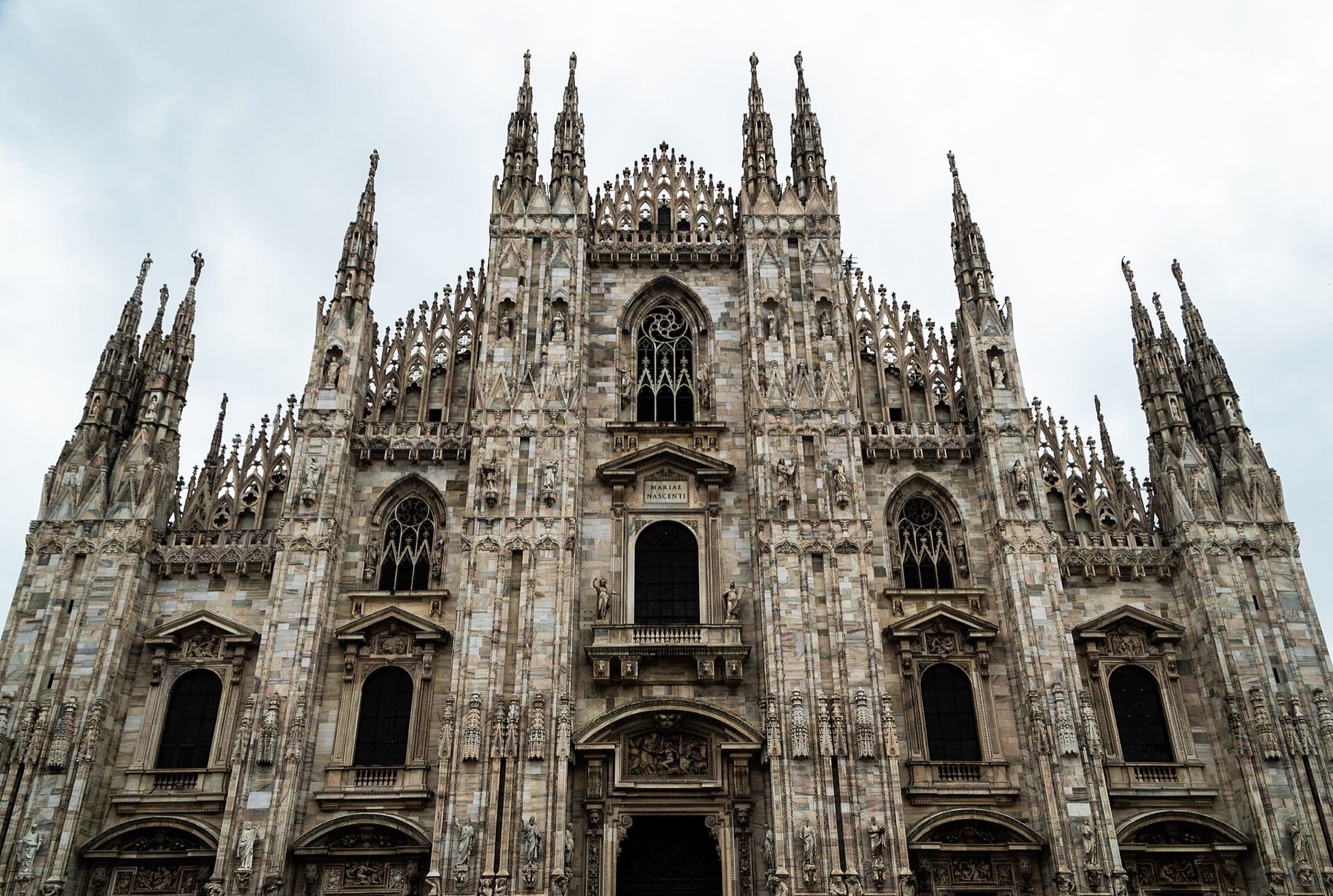
Do not eat within 200 meters of the Duomo. Restaurants there have aggressive touts and frozen food. Walk to Via Torino or Corso Garibaldi for better options. Always check the menu prices before sitting down. If the menu has photos of the dishes, leave.
Never order a “Milanese pizza”, it does not exist. It is a marketing invention. If a waiter insists on water without asking, refuse. They will bring an expensive bottle. In most restaurants, tap water is drinkable. Ask for “acqua del rubinetto”.
What is the tipping culture?
Tipping is not required. Service is included in the bill (coperto, usually EUR 2 to 3 per person). If the service was good, leave 1 or 2 euros in cash. Do not tip 15% like in the US. It is not expected and can confuse the staff.
Are food tours worth the money?
Food tours cost EUR 60 to 90 per person for 3 to 4 hours. Most are overpriced. You can visit the same spots alone for half the cost. The only exception is a tour focused on panettone and pastry, such as the one offered by the Pasticceria Martesana group (EUR 45, includes 5 tastings).
Is it easy to eat on a budget?
Yes. Lunch is the cheapest meal. Most restaurants offer a “menu del giorno” for EUR 12 to 15. This includes a first course, drink and coffee. Dinner in a trattoria costs EUR 20 to 30 per person with wine. Aperitivo can replace dinner for EUR 12. Avoid steak houses and sushi. Milan has great sushi but it costs EUR 40+.
A meal at Eataly in Piazza Venticinque Aprile is a reliable mid-range option. EUR 20 to 25 for pizza and a beer. The Mercato di Via Fauche is good for takeaway at EUR 8 a plate.
What about coffee?
Coffee in Milan is serious. Espresso costs EUR 1.10 to 1.30 at a bar. Cappuccino costs EUR 1.50 to 1.80. Never order a cappuccino after 11:00, locals consider it a breakfast drink. Do not ask for “latte” or you will get a glass of milk. Order “caffè latte” if you want a milky coffee.
The best espresso in the city is at Pasticceria Marchesi (Via Montenapoleone). EUR 1.30 at the counter, EUR 6 at a table. The difference is the location, not the coffee. Drink at the counter.
Best tours and tickets
Curated from Viator. We may earn a commission if you book, at no extra cost to you.

Milan Duomo & The Last Supper Skip-the-Line Small Group Tour

Another option: tickets on Headout
Headout is another booking platform. Compare and choose. We may earn a commission at no extra cost to you.


Frequently asked questions
What is the most typical Milanese dish?
Is aperitivo a meal replacement in Milan?
What wine is produced near Milan?
Where can I buy real panettone in Milan?
How much does a meal cost in Milan?
Related guides
Italy 2027 Calendar: Public Holidays, Events and the Best Dates to Go
Every Italian public holiday in 2027 with its weekday, the long weekends to plan around, and the dated 2027 events from Venice to Verona.
Read more →September Events in Milan: Explore Food and Drink Festivals
Experience Milan this September with food festivals and more.
Read more →Flight Prices Drop as New Routes Open to Italy This Fall
New nonstop flight routes are reducing fares to Italy this fall, making it easier to explore popular destinations.
Read more →What's New in Italy: Travel Updates for August 2026
Discover the latest travel news and updates for Italy in August 2026, including attractions and events.
Read more →Italy on a Budget: What a Week Really Costs in 2026
A real week in Italy for under €1,200? Yes. Read what a travel writer who lives there actually spends. Practical costs, tips, and money-saving tricks.
Read more →Best Time to Visit Italy: Month by Month Verdict
Find the best month for your Italy trip. Crowds, weather, prices, and honest verdicts for each month in 2026. Plan smarter with local insight.
Read more →All prices and times on this page are ESTIMATES and change often. They are a starting point from an independent editor, never official or guaranteed figures. Always check the final price and the opening hours with the official venue or operator before you book or travel.
Rules, timetables, fares and passenger rights change, and this page is a summary, not an official source or legal advice. Check the official operator or authority before you book or travel, and treat anything critical to your trip as something to confirm, not to assume. Last reviewed: 2026-07-11.