I have dragged three children through every region of Italy over the past twelve years. Here is the short version: Italy rewards families who slow down.
Do not try to see Rome, Florence and Venice in one week. That is a recipe for tantrums and tired parents. Pick two places max. Stay at least four nights in each.
Where to go and where to skip in 2026
Lake Garda is the easiest first trip. Shallow water, bike paths, kid-friendly resorts. The southern shore around Peschiera has beaches with gentle entry. No steep hills.
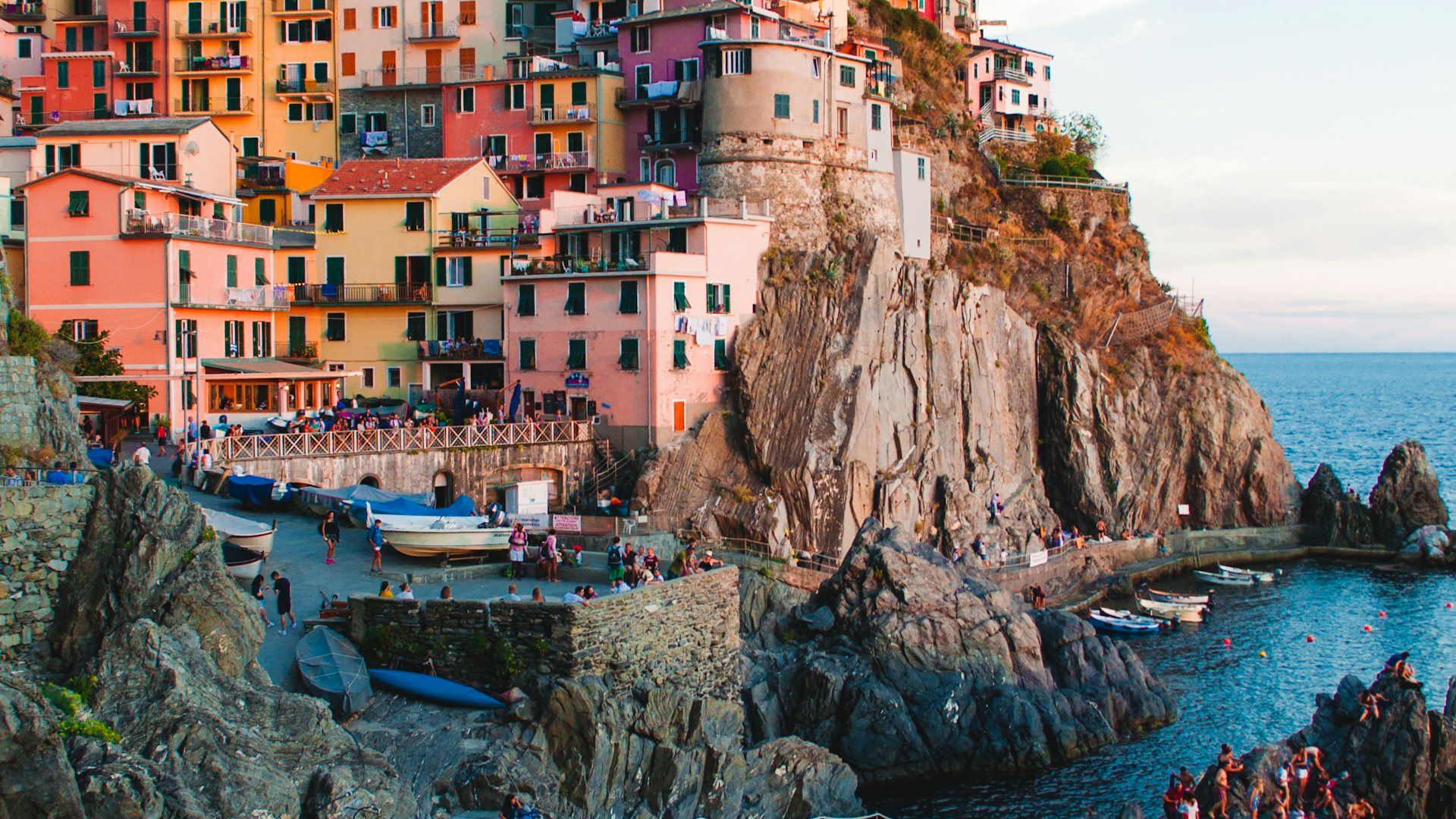
Skip the Cinque Terre with a stroller. Seriously. Endless stairs and packed trains. Go to the softer coast of Puglia instead, shallow coves, flat farm roads, and masseria hotels with pools.
Rome works if you book everything in advance. Book the Colosseum underground tour for the wow factor. Skip the Vatican Museums with kids under 8. The queues are worse than the art.
Real costs and crowd levels for summer 2026
| Destination | Avg hotel room (Aug) | Crowd level Aug | Best month | Kid-friendly rating |
|---|---|---|---|---|
| Lake Garda | 250 EUR/night | High | June | 9/10 |
| Florence | 200 EUR/night | Extreme | May | 7/10 |
| Puglia (Ostuni area) | 180 EUR/night | Moderate | September | 8/10 |
| Rome city center | 300 EUR/night | Extreme | April | 6/10 |
Prices are for a family of four in a mid-range hotel. Breakfast included. Book three months ahead for August.
Practical logistics for 2026
Trains are your best friend. Book high-speed Frecciarossa tickets 30 days early for 40% discounts. Children under 6 ride free on regional trains. Always validate your ticket at the little green machines on the platform or pay a fine.
Car hire is fine for the countryside but useless in cities. ZTL zones (limited traffic areas) will sting you with 100 EUR fines sent weeks later. Enter a city, park at a paid lot outside the walls, take a bus in.
Restaurants: Italians eat dinner at 8pm. Many trattorias are happy to serve your kids pasta at 7pm if you ask. Look for the words "menu bambino" or just order a plain pasta for 8 EUR. Always ask for bread to be served with the meal (it is often a separate charge).
Water: tap water is safe everywhere. Fountains in Rome and Florence are free. Carry a reusable bottle.
Museums: prebook skip-the-line tickets for any major site. The Uffizi, Colosseum and Accademia sell out days in advance in summer 2026. Do not just show up.
A final opinion
Italy with kids is about gelato breaks, tiny trains and jumping on hotel beds. If you overplan you lose the magic. Keep three things each day: a morning activity, a long lunch, and a free afternoon for the pool or park. That is the real Italy.
Best tours and tickets in Milan
Curated from Viator. We may earn a commission if you book, at no extra cost to you.

Bernina Red Train, Swiss Alps & St Moritz From Milan

Milan Duomo & The Last Supper Skip-the-Line Small Group Tour

Como, Bellagio & Varenna: Small Group from Milan with Boat Cruise

Como, Lugano & Bellagio: Exclusive Cruise–Two Countries in a Day
Another option: tickets on Headout
Headout is another booking platform. Compare and choose. We may earn a commission at no extra cost to you.


Explore
7 guides and articles
Milan Autumn 2026: Zuccaland Pumpkin Field Opens as Storms Hit
Zuccaland's pumpkin field and straw maze opens near Milan on 25 September 2026, while forecasters warn of more storms and hail for the city.
Read more →Exciting Events in Milan This Weekend: Formula 1 and More
Discover art exhibitions, the Formula 1 Grand Prix, and family-friendly activities in Milan from September 4-6, 2026.
Read more →Family-Friendly Train Travel in Italy: Discounts and Services
Discover family-friendly train services and discounts across Italy for your next trip.
Read more →Travel Insights: Storm Alerts and Transport Changes Ahead
Stay informed about storm alerts and transport changes in Italy that could affect your travel plans in September 2026.
Read more →Travel Updates for Italy: What You Need to Know for Summer 2026
Stay informed on the latest travel updates for Italy this summer, including border checks and transport news.
Read more →Amalfi Coast vs Cinque Terre: How to Choose (2026)
Pick the right coast for your trip in 2026. Direct price, crowd, and transport comparisons from an Italy local. Skip the hype.
Read more →Best Time to Visit Italy: Month by Month Verdict
Find the best month for your Italy trip. Crowds, weather, prices, and honest verdicts for each month in 2026. Plan smarter with local insight.
Read more →Frequently asked questions
Is Italy safe for young children?
What is the best age to take kids to Italy?
Do I need a car rental for Italy with kids?
Can I find baby changing facilities easily?
All prices and times on this page are ESTIMATES and change often. They are a starting point from an independent editor, never official or guaranteed figures. Always check the final price and the opening hours with the official venue or operator before you book or travel.
Rules, timetables, fares and passenger rights change, and this page is a summary, not an official source or legal advice. Check the official operator or authority before you book or travel, and treat anything critical to your trip as something to confirm, not to assume. Last reviewed: 2026-07-11.