Editorial summary produced with AI support and reviewed. Facts are as reported by the sources linked in the text. Verify anything important before you act on it. Spotted an error? Use the contact form and we will correct it.
First Time in Italy: Rome, Florence, and a Little Venice
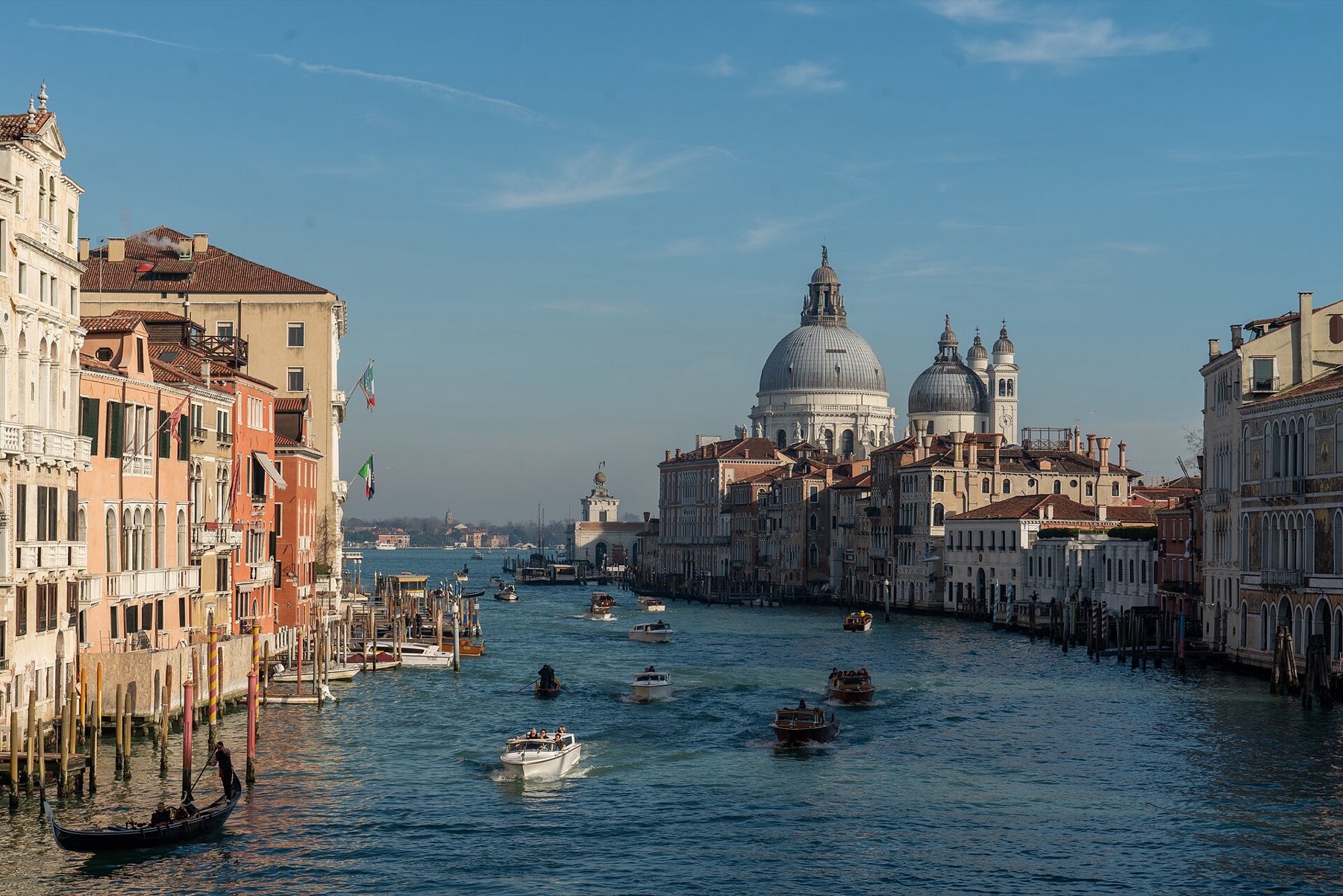
Spend 3 nights in Rome, 3 in Florence, and 2 in Venice. That is the classic triangle for a reason. Rome gives you ancient history and the best carbonara of your life. Florence is small enough to walk everywhere and packs文艺复兴 art into a walkable city. Venice is a watery maze, but two days are enough to feel the magic and avoid the pricey gondola trap (85 EUR for 30 minutes. Skip it. Take the traghetto for 2 EUR instead).
Warning: summer in Venice is humid and smelly. Go in April or October.
Beach Vacation: Sardinia or Puglia?
Sardinia has the clearest water in Europe. I have swum in the Maddalena archipelago and seen my toes at 15 meters depth. The Costa Smeralda is expensive, but you can sleep in a basic B&B in Olbia for 100 EUR a night and take the ferry to La Maddalena for 20 EUR round trip. Sardinia is better for drivers. You need a car to reach the best coves.
Puglia is cheaper and flatter. The beaches near Lecce are wide and sandy. The water is warm and shallow. Skip the crowded spots like Polignano a Mare and drive to Torre dell'Orso instead. Both regions are best in June or September. July and August bring crowds and prices that double.
Hiking and Nature: Cinque Terre or the Dolomites
Cinque Terre is not a real hike. It is a coastal stroll between pastel villages with excellent focaccia. The famous trail from Monterosso to Vernazza takes 90 minutes and costs 7.50 EUR for a day pass. Go at sunrise to avoid the cruise ship crowds. The paths close often in winter for landslides, so check before you go.
The Dolomites (not in this guide's links but worth knowing) are real alpine terrain. If you want elevation and solitude, drive to the Seceda ridgeline. You will not find crowds there. Cinque Terre is better for a quick Instagram stop. The Dolomites are for a week of walking.
Romance and Luxury: Lake Como or Venice
Lake Como is a splurge. A room at a lakeside hotel in Bellagio costs 250 EUR a night in June. The ferry between towns runs every hour and costs 5-15 EUR. Skip the expensive restaurants on the waterfront. Walk 200 meters inland and eat where the ferry workers eat. The lake is calm in the morning. By 11am the speedboats ruin the quiet.
Venice is romantic only if you sleep on the island. Stay in Cannaregio, not San Marco. You will pay less and hear fewer selfie sticks. A basic hotel in Cannaregio runs 150 EUR a night in spring. Avoid February. The acqua alta floods parts of the city and the smell is not romantic.
Food Travel: Bologna, Naples, and Palermo
Bologna is the food capital of Italy. Go for tortellini, mortadella, and the best ragù of your life. A meal at a trattoria near Piazza Maggiore costs 25 EUR for two courses. The city is compact and easy to walk. Skip the tourist traps around the Two Towers.
Naples has pizza that changes your life. L'Antica Pizzeria da Michele charges 5 EUR for a margherita. The queue moves fast. Naples is chaotic and grimy and wonderful. Do not skip the Cappella Sansevero and the veiled Christ sculpture. The archaeological museum holds the best Pompeii artifacts without the heat.
Palermo in Sicily is the ultimate street food city. Try pane con la milza (spleen sandwich) for 3 EUR at a kiosk in Ballarò market. The city is loud and messy. That is the point.
For a Road Trip: Tuscany or Sicily
Tuscany is made for driving. The hills between Siena and San Gimignano are full of winding roads, olive groves, and wineries. You can rent a Fiat 500 for 40 EUR a day. Stay in an agriturismo near Montepulciano for 80 EUR a night including breakfast. The roads are narrow. A small car is not cute, it is necessary.
Sicily is bigger and more varied. You can drive from Palermo to Taormina in 3 hours. The A19 highway is fast and dull. Take the coastal SS113 instead for better views. Sicily is cheaper than Tuscany for everything: gas, food, accommodation.
Comparison Table
| Region | Best For | Typical Cost/Night (midrange) | Car Needed? | Crowds in July/August |
|---|---|---|---|---|
| Rome | History, art | 120 EUR | No | High |
| Florence | Renaissance, walking | 110 EUR | No | Very high |
| Venice | Romance, canals | 150 EUR | No | Extreme |
| Amalfi Coast | Coastal views | 200 EUR | No (use ferries) | Extreme |
| Lake Como | Luxury, scenery | 250 EUR | Optional | High |
| Sardinia | Beaches, nature | 100 EUR | Yes | High |
| Sicily | Food, variety | 80 EUR | Yes | Moderate |
| Cinque Terre | Hiking, photos | 130 EUR | No | Very high |
| Tuscany | Wine, countryside | 100 EUR | Yes | Moderate |
| Naples | Pizza, history | 70 EUR | No | Moderate |
| Milan | Shopping, fashion | 130 EUR | No | Moderate |
| Verona | Romance, opera | 90 EUR | No | Low |
How Many Days in Each Region?
Rome needs 3-4 days to see the Colosseum, Vatican, and eat well. Florence needs 2 days for the Uffizi and Duomo. Venice is a 2-day city. Tuscany needs 4 days if you drive. Sicily needs 7 days minimum to cover the island. The Amalfi Coast can be seen in 3 days but you will rush. Sardinia needs 5 days to relax.
Is It Worth Going to the Amalfi Coast?
Yes, but only in May or September. In August the coastal road is a parking lot. A bus from Sorrento to Positano takes 90 minutes instead of 30. The Amalfi Coast is stunning from the water. Take the ferry from Salerno to Amalfi for 12 EUR. It saves time and gives you the best view. Skip the Path of the Gods hike if you are not fit. It is 4 hours of steep downhill on loose gravel.
What About Milan?
Milan is a business city. The Duomo is impressive. The Last Supper requires a ticket booked two months in advance. It costs 15 EUR and you get 15 minutes inside. Milan is worth one day on the way to Lake Como. Do not plan a whole trip around it unless you come for fashion week or a soccer match.
Best tours and tickets in Rome
Curated from Viator. We may earn a commission if you book, at no extra cost to you.

Vatican Museums, Sistine Chapel & St Peter’s Basilica Guided Tour

Skip-the-Line Group Tour of the Vatican, Sistine Chapel & St. Peter's Basilica
Another option: tickets on Headout
Headout is another booking platform. Compare and choose. We may earn a commission at no extra cost to you.


Combo: Colosseum, Roman Forum & Palatine Hill + Vatican Museums + Pantheon Tickets

Frequently asked questions
What is the cheapest region in Italy to stay in?
Which region has the best food?
Is it better to stay in Florence or Tuscany's countryside?
Do I need a car in Italy?
When is the best time to visit Italy?
Related guides
Best Time to Visit Italy: Month by Month Verdict
Find the best month for your Italy trip. Crowds, weather, prices, and honest verdicts for each month in 2026. Plan smarter with local insight.
Read more →High Season in Italy: What Travelers Need to Know for Late July 2026
Latest news for Italy travelers: Modena incident context, tourism recovery stats, and seasonal tips for July-August 2026. Practical advice from an
Read more →Italy Today: New Security Rules, No Major Transport Strikes, and a Summer to Plan
Italy has approved a new security package but no major transport strikes are announced. What travelers need to know about safety and planning summer 2026
Read more →Italy on a Budget: What a Week Really Costs in 2026
A real week in Italy for under €1,200? Yes. Read what a travel writer who lives there actually spends. Practical costs, tips, and money-saving tricks.
Read more →Late July 2026 in Italy: No Major Disruptions Reported
No transport strikes or museum closures flagged this week. Practical tips for visiting Rome, Florence, Venice and more in summer 2026.
Read more →Italy in Winter: Where It Actually Makes Sense
Practical guide to Italy in winter: skip summer chaos, save 40% on hotels, and see the best cities with real opening hours and prices.
Read more →All prices and times on this page are ESTIMATES and change often. They are a starting point from an independent editor, never official or guaranteed figures. Always check the final price and the opening hours with the official venue or operator before you book or travel.
Rules, timetables, fares and passenger rights change, and this page is a summary, not an official source or legal advice. Check the official operator or authority before you book or travel, and treat anything critical to your trip as something to confirm, not to assume. Last reviewed: 2026-07-11.