Neighborhoods in Milan: Where to Stay and What to Skip
Which neighborhoods should you actually stay in?
Milan has roughly eight distinct neighborhoods worth your attention. Skip the generic ranking approach. Instead, pick based on what you want to do: nightlife, museums, food, peace, or transit access. I've lived here long enough to know which streets have real character and which exist only for tourists buying overpriced coffee.
Here's what you need to know about each area.
Duomo: Tourist Central or Necessary Evil?
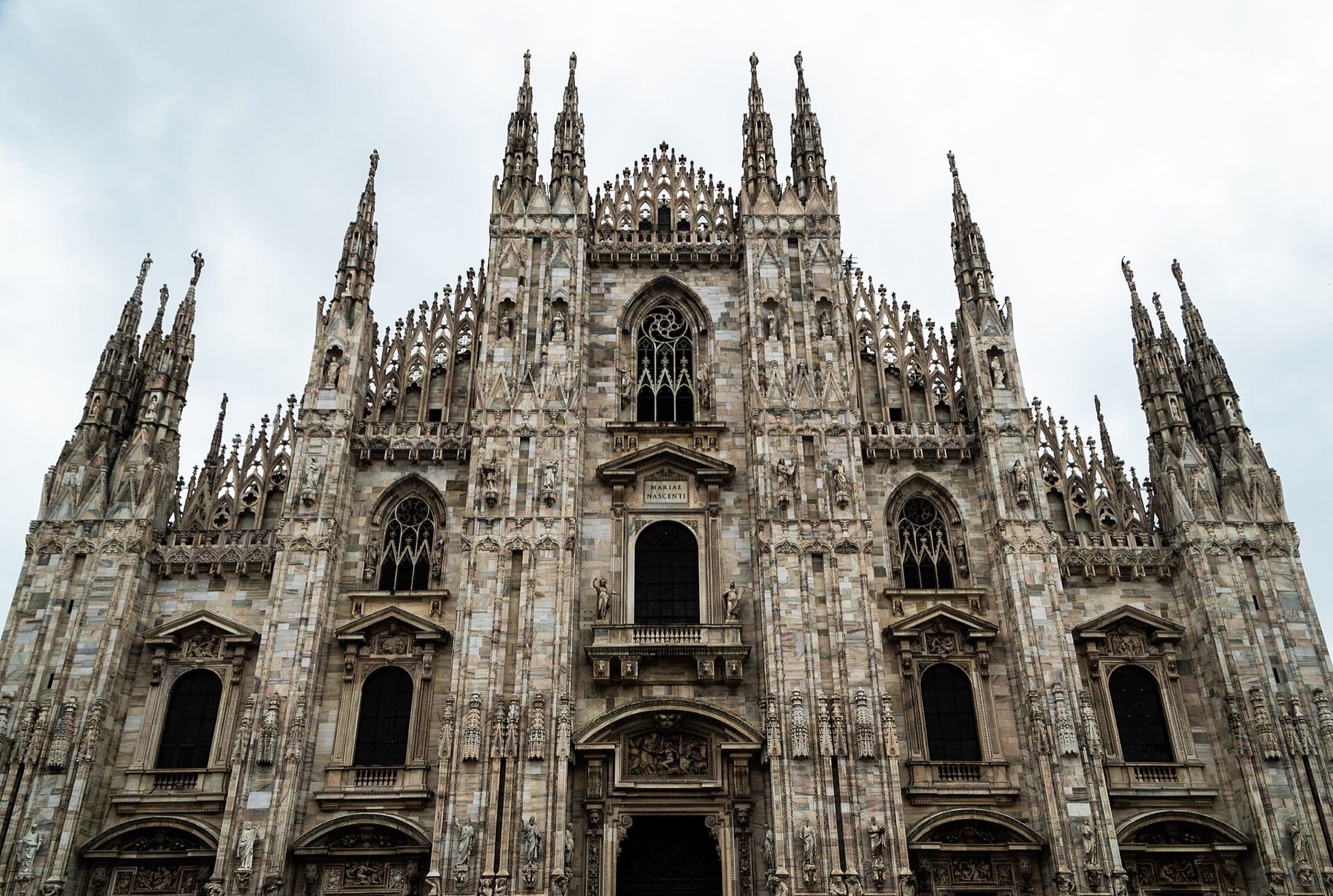
This neighborhood wraps around Milan's cathedral and the Galleria Vittorio Emanuele II. Yes, you'll see crowds of 5,000-plus people on the cathedral steps during summer. Hotel rooms here run 140-220 EUR per night for mid-range chains. The Galleria itself charges no entry fee but the shops inside are mall brands you can find anywhere. Restaurants overlooking the square mark up prices by 40-50 percent compared to side streets one block away.
Stay here only if you arrive late and need to be near the train station, or if this is your first Milan visit and you want the "main" photo. Otherwise, book somewhere else and visit the cathedral on a morning walk. The real treasure nearby is the Pinacoteca di Brera, which costs 12 EUR and sits in a quieter area 1.2 km north.
Warning: pickpockets work the cathedral square daily. Keep bags zipped and phones in front pockets. I've seen tourists lose wallets three times in one morning.
Brera: Books, Art, and Overpriced Aperitivos
This neighborhood 1 km north of Duomo has become a boutique-hotel and wine-bar zone. Pinacoteca di Brera (the art museum) is here and deserves 2-3 hours of your time. Entry is 12 EUR, and the collection includes works by Caravaggio and Bellini. The streets are narrow and pedestrianized, which feels charming until you realize every corner cafe charges 8 EUR for a cappuccino.
Hotels range from 130 EUR (budget chains) to 300 EUR (design hotels like Armani Hotel Milano, which sits on Via Manzoni nearby). The neighborhood attracts art students, galleries, and affluent expats. It's less of a tourist machine than Duomo, but also less authentic than Navigli or Porta Romana.
Good for one afternoon of wandering. Stay here if you have a specific interest in design hotels or gallery hunting, or if you're here for Fashion Week in September or February. Otherwise, visit as a day trip from a cheaper base.
Navigli: The Only Neighborhood With a Pulse
Navigli sits southwest of the city center, built around two restored canals. This is where Milanese people actually go at night. The vibe is young, loud, and unpretentious. On weekends, the streets fill with locals grabbing drinks by 9 PM. Restaurants here do proper Milanese cuisine, not tourist plates.
Hotels run 100-160 EUR per night. Rent an apartment if staying longer than three days, as Airbnb units here cost 50-80 EUR per night and you get a kitchen. The area has genuine bars, vintage shops, and bookstores. Street art is everywhere. The Saturday antique market (Mercatone dell'Antiquariato) happens on the last Sunday of each month and is worth seeing.
Warning: on Friday and Saturday nights, the bar scene can get rowdy. Police presence increases after 11 PM. Noise dies down by 1 AM, but rooms overlooking the main canal strip will hear it. Book a room one street back if you're a light sleeper.
Take the M2 (red line) metro from Duomo. Journey time is 12 minutes to Porta Genova station. Walk 400 meters east to reach the main canal.
Porta Romana: Quiet, Residential, Real Milan
This neighborhood south of Duomo feels like a different city. Tree-lined streets, small family-run shops, and locals who actually live here year-round. The Basilica di Sant'Eustorgio is here (free entry, worth 30 minutes) and the nearby Museum of Ancient Glass costs 3 EUR.
Hotels are rarer, but you'll find serviced apartments at 80-120 EUR per night. The trade-off is transport. It takes 15-20 minutes by metro (M3 or M4 lines) to reach the Duomo. But that's precisely why it stays calm.
This is where I recommend staying if you want to see how Milanese people actually live. The Piazza Sant'Eustorgio has a small weekend market with local produce. Restaurants are cheap and full of neighborhood regulars, not tour groups.
Good for families, writers, anyone who wants to work remotely, or travelers on a budget. Skip if you have limited time and want to maximize sightseeing in the center.
Isola: Up-and-Coming But Still Undiscovered
Isola means "island," named for its position surrounded by railway lines. Ten years ago this was industrial wasteland. Now it's transitioning into a creative neighborhood with design studios, young professionals, and experimental restaurants.
Hotels and rentals are cheaper here than Navigli: 85-130 EUR per night for hotels, 45-70 EUR for apartments. The area is 2 km northwest of Duomo. Reach it via M5 (purple line) metro in 10 minutes.
You'll find Spazio Oberdan (cultural center, often free entry for events) and several independent galleries. The neighborhood fills up on weekend evenings but stays calm on weekdays. Restaurants are unpretentious and prices are 20-30 percent lower than central areas.
The catch: if you're here for nightlife, it's not Navigli. It's quieter, more introverted. Infrastructure is improving but feels slightly unfinished compared to established zones.
Stay here if you want affordable accommodation, a local feel, and you don't mind being slightly off the main tourist trail. Skip if you need convenience and walkable access to every major attraction.
Monumental (Stazione Centrale): Skip Unless You're Catching a Train
This sprawling area surrounds Milan's central train station. Hotels cluster here because of transport access: Stazione Centrale connects to every major city in Europe and within Italy.
The neighborhood itself has zero character. It's concrete, wide streets, and transient energy. Hotel rooms are 90-140 EUR but you're paying for location, not experience. Once night falls, certain streets become sketchy. I've had to redirect tourists away from Via Varese after 10 PM.
The Stazione Centrale building itself (designed 1931) is architecturally interesting for 15 minutes. After that, there's nothing. Restaurants are chains or mediocre. Shops are generic.
Stay here only if you arrive very late or have an early morning train. Book a hotel with late checkout if your flight is after noon. Otherwise, take a metro or taxi to a better neighborhood and keep this for transit only.
Warning: keep valuables out of sight. Petty theft happens around the station, especially near the entrance and on platforms.
Garibaldi and Moscova: Business District Pretending to Be Hip
These merged neighborhoods lie north of Duomo. They've been redeveloped with glass office towers, designer shops, and expensive restaurants. The Garibaldi High Speed Train Station brings business travelers through daily.
Hotels are corporate: 130-200 EUR per night. This is where Milan's finance sector lives. It's clean and efficient but soulless. You'll see suited professionals, not interesting people.
Skip entirely unless you have meetings here. The area has no cultural attractions, no street art, no energy. It's what Milan looks like to people who see it only for work.
Sempione: Parks and Museums, Good for One Day
Sempione is the neighborhood around the Parco Sempione and Sforza Castle. The castle is worth visiting: grounds are free, internal museums cost 3-5 EUR each. The park is the largest in Milan and feels like an actual escape from concrete.
Hotels here are moderate: 110-170 EUR per night. Restaurants cater to families. It's quiet but also quiet because not much happens after dark.
Good for one afternoon, especially if you have kids. Skip for evening entertainment or cultural nightlife. Base yourself in Navigli or Brera and visit Sempione as a morning or lunch trip. The park alone justifies 90 minutes of your time.
Which neighborhood has the best food?
Navigli wins for authentic Milanese cuisine and value. Restaurants here serve risotto alla milanese (saffron rice, 12-16 EUR) and ossobuco (braised veal shank, 18-24 EUR) as they're meant to be cooked. Expect to pay 25-35 EUR per person for a full meal with wine.
Brera has better plated presentation but at higher prices: 40-55 EUR per person for the same level of food. Duomo restaurants are tourist traps charging 45-60 EUR for mediocre execution.
For budget meals, Porta Romana and Isola have family-run trattoories where you eat for 15-20 EUR including a drink. These are the places Milanese families go on Sunday afternoons.
Here's a comparison of food quality versus price across neighborhoods.
| Neighborhood | Price Range (EUR) | Authenticity | Reservation Needed | Best For |
|---|---|---|---|---|
| Navigli | 25-35 | High | Yes, weekends | Real Milanese food, casual |
| Brera | 40-55 | High | Yes, always | Fine dining with art crowd |
| Porta Romana | 15-22 | Very High | No | Family-style, budget-conscious |
| Duomo | 35-60 | Low | No, crowds | Tourist convenience only |
| Isola | 20-30 | High | Sometimes | Experimental cuisine, local |
How much should you budget for accommodation?
It depends on neighborhood and how far ahead you book. July and August are peak season. September (after summer) and early May (before summer) are cheaper but still busy.
Duomo and central areas: 130-250 EUR per night for hotels. Apartments are harder to find because properties are often split into hotel rooms.
Brera: 130-300 EUR per night. Design hotels push the upper end.
Navigli: 100-180 EUR per night. Apartments are abundant at 55-85 EUR per night, 30-40 percent cheaper than hotels.
Porta Romana and Isola: 80-140 EUR per night for hotels. Apartments start at 45 EUR per night.
Monumental/Stazione: 90-150 EUR per night. Bottom tier for experience, middle tier for price.
Garibaldi and Moscova: 130-200 EUR per night. Overpriced relative to what you get.
Sempione: 110-170 EUR per night. Mediocre value.
My recommendation: book an apartment in Navigli for 60-75 EUR per night. You get kitchen access, neighborhood authenticity, and savings that free up budget for restaurants and attractions. Hotels in the same area cost double and offer less character.
Book 6-8 weeks ahead for July and August. Book 3-4 weeks ahead for May and September. You can book 1-2 weeks ahead in winter (November-February) unless there's a major fashion show or holiday.
What's the metro access like from each neighborhood?
Milan's metro is efficient and runs until 12:30 AM every night. Taxis are expensive (4 EUR base fare, then 1.95 EUR per km). Walk when possible.
Duomo is a metro hub (M1, M3, M4 lines intersect). From here you reach Navigli in 12 minutes, Monumental in 4 minutes, Brera in 8 minutes by foot.
Navigli is served by M2 (Porta Genova stop, red line). From Duomo, it's two stops.
Porta Romana uses M3 (green line, direction San Donato). Eight minutes from Duomo.
Isola is M5 (purple line, direction Bignami). Ten minutes from Duomo. The M5 is newer and runs less frequently than M1 or M3.
Sempione: M1 red line goes directly from Duomo to Cairoli (castle side). Eight minutes.
Garibaldi: M2 red line, Garibaldi stop. Three minutes from Duomo.
Monumental: M3 green line, Stazione Centrale stop. Four minutes from Duomo.
Single metro tickets cost 2.50 EUR. A 10-ticket carnet (block of ten) costs 22 EUR. Daily passes are 7.50 EUR and cover unlimited metro, tram, and bus travel for 24 hours.
Buy tickets at any newsstand or metro machine. Validate your ticket in the electronic reader when you board. Fines for traveling without a validated ticket are 102 EUR and enforced regularly by undercover inspectors.
When should you visit each neighborhood?
Duomo: early morning (7-8 AM) before crowds arrive, or after 6 PM when tour groups leave. Midday is chaos.
Brera: any time except weekend evenings after 8 PM, when it fills with aperitivo crowds. Thursday evenings (Aperitivo Brera) are intentionally crowded if you want that scene.
Navigli: evening and night only (after 6 PM). During the day, it's empty and depressing. Weekends are double the energy of weekdays.
Porta Romana: any time, it's residential and consistent throughout the day.
Isola: early evening (5-7 PM) catches the after-work crowd. Stay until 9-10 PM if you want bars, then it quiets down.
Monumental: avoid entirely except for catching a train.
Garibaldi: noon-2 PM for lunch crowds, avoid otherwise.
Sempione: morning or early afternoon on weekends for the park and families. Weekday late afternoons are quiet.
Which neighborhoods are walkable to each other?
Yes, most central areas are walkable.
Duomo to Brera: 1.2 km, 15 minutes on foot through pleasant streets.
Brera to Garibaldi: 800 meters, 10 minutes.
Garibaldi to Sempione: 1.1 km, 14 minutes.
Duomo to Navigli: 2 km, 25 minutes on foot, slightly boring route. Take metro instead (12 minutes M2).
Duomo to Porta Romana: 1.8 km, 23 minutes on foot, doable but the route passes through commercial streets with no character. Metro is faster (8 minutes).
Duomo to Isola: 2.3 km, 30 minutes on foot through less interesting areas. Metro (M5-10 minutes) is better.
Most visitors naturally cluster visits around Duomo, then day-trip to Navigli for evening, which works perfectly.
Are there any neighborhoods to avoid?
None are dangerous in the way tourists worry about. Milan isn't a place where neighborhoods have security concerns for visitors.
That said, skip Monumental after dark unless you're catching a train. The area around Stazione Centrale has loitering and petty theft. It's not dangerous, just unpleasant.
Skip Garibaldi unless you have a specific reason. Moscova is the same story.
Skip industrial areas northwest past Isola (Farini, Comasina) unless you're specifically interested in street art. Trams serve these areas, and you'll find some legitimate cultural projects there, but they're not tourist neighborhoods and amenities are sparse.
Everything else is fine to explore. Italians are friendly, streets are well-lit, and police presence is visible in central zones.
What if you're visiting during Fashion Week?
Fashion Week happens mid-September and late February, drawing designers, buyers, and press from worldwide. Hotel prices double or triple. Many hotels require minimum stays of 3-5 nights. Restaurants get reservations-only policies.
Navigli is packed but remains the best area to stay. Brera fills with fashion industry people. Duomo becomes nearly impassable by afternoon.
If visiting during these weeks, book accommodation 3-4 months ahead. Consider staying 3-4 km outside central Milan in zones like Porta Romana or Isola to reduce costs by 40-50 percent and avoid the chaos.
Fashion Week events are mostly private or require industry credentials. Tourists have limited actual access beyond people-watching on the streets.
Summary: Where to Actually Stay
Three scenarios.
First time in Milan, 2-3 days: Stay in Brera or Navigli. Brera if you want museums and design. Navigli if you want nightlife and food. Both are central and walkable to Duomo.
Return visitor, 3-5 days: Navigli or Porta Romana. Navigli for social energy, Porta Romana for peace and authenticity.
Long-term stay (one month or more): Isola or Porta Romana. Save 30-40 percent on housing, live like a resident, leave tourist zones to tourists.
Avoid staying in Monumental, Garibaldi, Moscova, or Duomo unless constraints force you to.
Book apartments in Navigli or Isola on Airbnb or Booking.com. You'll save 40 percent on cost, get kitchen access, and absorb neighborhood character naturally by living there rather than hotel-hopping.
Best tours and tickets
Curated from Viator. We may earn a commission if you book, at no extra cost to you.

Milan Duomo & The Last Supper Skip-the-Line Small Group Tour

Another option: tickets on Headout
Headout is another booking platform. Compare and choose. We may earn a commission at no extra cost to you.


Frequently asked questions
Is Milan safe for solo travelers at night?
Which neighborhood is best for nightlife and bars?
Can I stay near the Duomo for under 100 EUR per night?
How do I get from the airport to different neighborhoods?
Is Duomo neighborhood worth staying in if I'm not focused on sightseeing?
Related guides
Milan's New San Siro: 17-Floor Towers, Hotels and a 2 Billion EUR Plan
Milan and Inter's San Siro plan has reached environmental assessment, with hotels, offices, 17-floor towers and over 2 billion EUR of investment.
Read more →Milan Travel Guide 2026: Honest Tips, Costs, and Itineraries
Practical Milan guide 2026: what to see, 3-day itinerary, real costs, local tips, and mistakes to avoid from a seasoned Italy-based writer.
Read more →Italy Strikes in October 2026: easyJet Flights on 16 October and La Scala's Faust Premiere
easyJet crew strike across Italy on 16 October 2026 and La Scala workers vote to strike over the 20 October Faust premiere in Milan. What travellers should
Read more →Milan Photography in October 2026: Martin Parr and Archivi Aperti Overlap
Martin Parr opens at Spazio Varesina 204 on 15 October and Archivi Aperti runs 17-25 October 2026. Two Milan photo shows, one city trip.
Read more →FAI Autumn Days 2026: 700+ Historic Sites Open Across Italy on 10-11 October
FAI Autumn Days 2026 open 700+ sites across Italy on 10-11 October. Rome's Via dei Fori Imperiali walk is due by 2027. Plan around queues and detours.
Read more →Italy Strike Today and Free State Museums on Sunday 4 October
Italy's 2 October strike limits rail disruption to three hours, state museums are free on Sunday 4 October, and Trenitalia changes season tickets in
Read more →All prices and times on this page are ESTIMATES and change often. They are a starting point from an independent editor, never official or guaranteed figures. Always check the final price and the opening hours with the official venue or operator before you book or travel.
Rules, timetables, fares and passenger rights change, and this page is a summary, not an official source or legal advice. Check the official operator or authority before you book or travel, and treat anything critical to your trip as something to confirm, not to assume. Last reviewed: 2026-08-16.