Monuments & Landmarks in Milan
Which monuments are actually worth your time?
Not all of Milan's landmarks deliver. The Duomo is genuinely stunning, both inside and from below. Castello Sforzesco is free and sits in a real Milanese neighborhood, not a tourist zone. Santa Maria delle Grazie houses Leonardo's Last Supper, which is the single most important artwork you cannot miss. Everything else ranges from mediocre to completely overrated.
I have walked these sites dozens of times across different seasons. The crowds are real. The pickpockets are real. The heat in July is brutal. Plan accordingly.
Milan Duomo: How much does it cost and is the line worth it?
The Duomo costs €18 for full access including the cathedral floor. The museum ticket (€18) gives you the same cathedral entry plus 700 years of sculptures, stained glass, and religious objects spread across four floors. Neither option requires advance booking, but queues regularly hit 90 minutes in summer 2026. I recommend the museum ticket because the crowds thin dramatically once you leave the main cathedral floor.
Ticket breakdown:
- Cathedral entrance only: €18 (pointless, you miss the architecture details)
- Cathedral + Duomo Museum: €18 (excellent value, takes 2 hours)
- Rooftop stairs: €14 extra (avoid July through August, it is genuinely suffocating)
- Rooftop lift: €18 extra (still packed, still pointless)
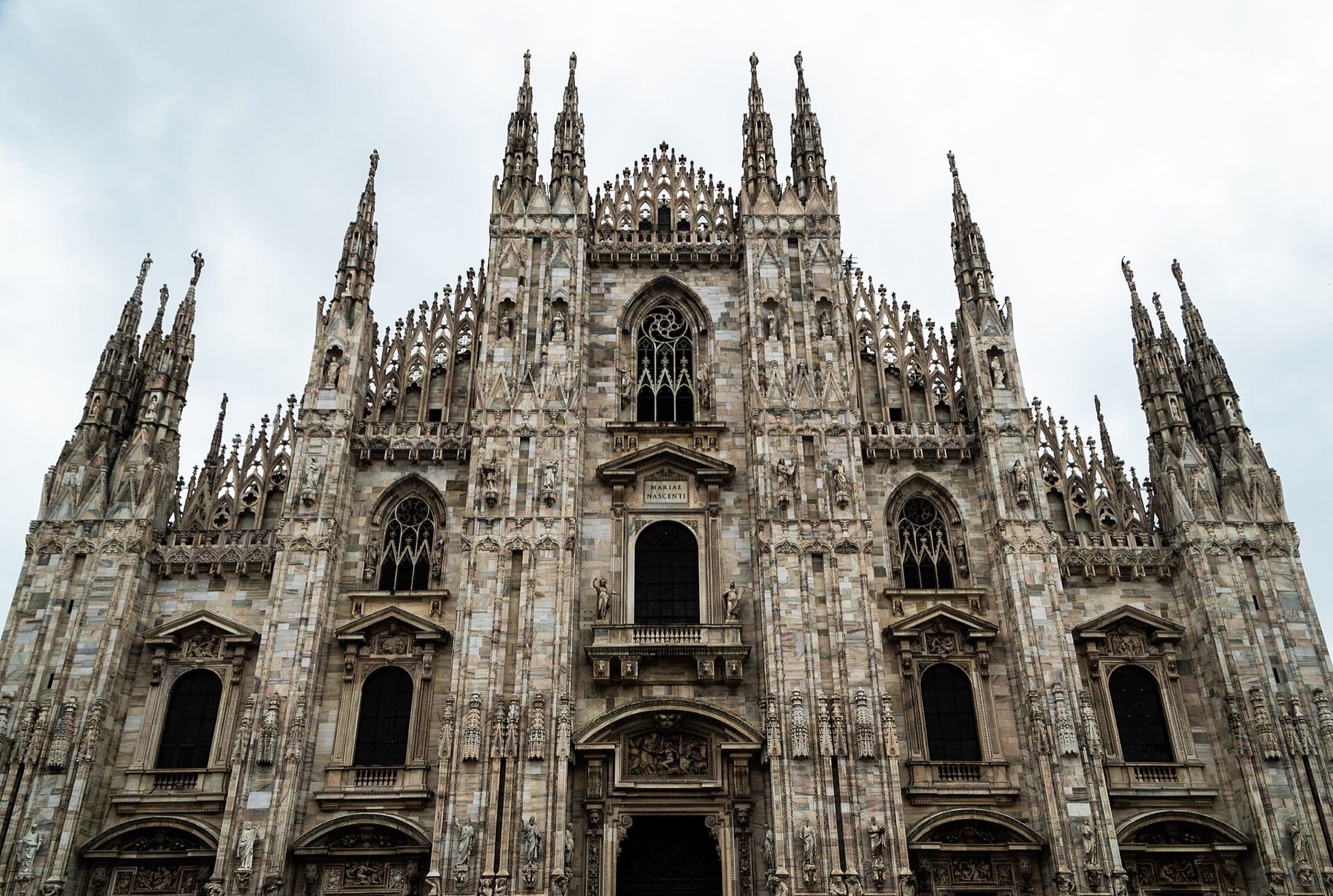
The cathedral itself is Gothic excess at its finest. Five aisles. Stained glass windows that backlight the marble columns. Intricate floor mosaics. Spend 45 minutes inside. The museum upstairs holds reliquaries, Maderno's sculptures, and original roof ornaments that give you a better sense of the Duomo's obsessive craftsmanship than standing in the nave with 2,000 people.
Book online at duomomilano.it three days in advance. Entry times are every 30 minutes. The 9:00 AM slot clears out by 10:15 AM. The 2:00 PM slot is chaos. Go early.
Warning: Do not photograph other visitors. Do not touch the railings or sculptures. Do not sit on the floor. The guards enforce these strictly and have asked tourists to leave. The Duomo is a functioning church, not a museum theme park.
Castello Sforzesco: Free admission really worth visiting?
Free entry, no crowds, genuine Milanese atmosphere, and Renaissance art that rivals any paid museum. Yes, absolutely worth it. The Castello is a 15th-century fortress that holds weapons, ceramics, tapestries (textile panels, not metaphorical ones), and two Michelangelo sculptures. Most tourists skip it because it is free, which is exactly why you should go.
Inside the fortress you find five separate museums, but only three matter. The Applied Arts Museum on the ground floor is excellent for metalwork and furniture. The Ancient Egypt Museum is tiny but focused. The sculpture collection on the top floor has Michelangelo's Rondanini Pietà, an unfinished marble piece that is quietly devastating. I spent 45 minutes looking at that single work.
What kills the Castello for most visitors is navigation. The signage is poor. Rooms connect in unexpected ways. Budget 90 minutes minimum. The courtyard alone is worth 20 minutes. Locals sit here on lunch breaks. You get the feeling of how Milan actually operates outside the tourist corridors.
Parking is available at underground Via Lanza (€3 per hour) if you arrive by car. Public transport via Metro Line 1 to Cairoli gets you within 100 meters. Do not bring luggage. The fortress has no bag storage.
Warning: The fortress closes at 5:30 PM, and entry stops at 5:00 PM. If you arrive after 3:00 PM in July, you lose half the visit. Go midweek morning if possible.
Santa Maria delle Grazie and Leonardo's Last Supper: How to actually get in?
This is the hardest ticket to book in Milan. Leonardo's Last Supper occupies one refectory wall at this 15th-century church. Only 80 people enter every 15 minutes. Tickets cost €17 and sell out 10 to 14 days in advance for summer dates.
Book at cenacolovinciano.vivatickets.it exactly 14 days before you visit. That is when tickets release. If you wait one day longer, you will find only afternoon slots left. If you wait three days, nothing remains.
The experience itself is 30 minutes maximum. You enter the refectory, stand in front of the painting (it is larger than you expect, roughly 9 meters by 4.6 meters), and absorb it. The pigment is fragile. Leonardo experimented with experimental paint application instead of traditional fresco, and it has deteriorated badly. You are looking at restoration work as much as original paint. It is still one of the most important paintings in Western art.
The church surrounding the painting is pleasant but unremarkable. The cloisters are quiet. Skip them if you are short on time.
Practical warnings: The refectory is temperature controlled at 21°C and humidity controlled. You may feel cold compared to Milan's summer heat. Guards enforce 15-minute limits. You cannot sit down. Photography is forbidden. There is no bag storage, only a coat rack. Arrive 15 minutes early.
Alternative: If you cannot book the Last Supper in advance, the Pinacoteca di Brera (€12, no reservation needed) holds 38 other paintings by major Renaissance and Renaissance-influenced artists. It is not Leonardo, but it is worth 90 minutes and has available entry every day.
What other landmarks justify the visit?
Galleria Vittorio Emanuele II is a 19th-century shopping arcade with a glass roof. It is genuinely beautiful architecturally. However, it is packed with tourists and overpriced restaurants that serve mediocre food at €18 to €25 per plate. Walk through it once at 8:00 AM when it is quiet. Do not eat there.
Santa Maria presso San Satiro is a smaller Renaissance church with impossibly intricate carving inside. It sits one block east of the Duomo. Entry is free. Spend 15 minutes. The marble inlay work rivals the Duomo's complexity at zero crowd.
Basilica di Sant'Ambrogio is Milan's oldest church, founded in 379 AD. It is architecturally significant but visually austere compared to the Duomo. Entry is free. The atrium is striking. If you have time after the Duomo and you are interested in early Christian architecture, allocate 45 minutes. Otherwise, skip it.
Monumental Cemetery (Cimitero Monumentale) is genuinely unusual. It is a cemetery designed like a city of marble chapels, sculptures, and memorials. Entry is free. It is quiet. Most tourists have never heard of it. If you like photography and quiet spaces, spend an hour here. The Metro Line 3 stops directly outside at Monumentale station.
The Navigli district consists of two canals (Naviglio Grande and Naviglio Pavese) lined with restaurants and boutiques. It is photogenic at sunset. However, it is expensive, crowded on weekends, and the canals are murky (do not fall in). Walk through it once for 30 minutes. Eat elsewhere.
Comparing your top routes and timing options
| Route | Duration | Cost | Best For | Why Consider | Why Skip |
|---|---|---|---|---|---|
| Duomo only | 2 hours | €18 | Gothic architecture lovers | Breathtaking interior, close to Galleria | Crowds, long queues |
| Duomo + Castello | 4 hours | €18 | Full day culture | Contrasts medieval and Renaissance | Tiring if mobility limited |
| Last Supper + Duomo | 3 hours | €35 | Leonardo devotees | Two masterpieces in one day | Requires advance booking stress |
| Castello + Sant'Ambrogio + Monumental Cemetery | 3.5 hours | Free | Photography and quiet | Authentic Milan away from tourists | Less "famous" landmarks |
| All four main sites | 8 hours | €53 | Completionists | Comprehensive Milan experience | Exhausting, requires two days |
When should you visit each landmark?
Timing is everything in Milan. Summer 2026 brings crowds that rival Venice. Spring (April-May) and autumn (September-October) are ideal.
Duomo: Arrive at 9:00 AM. The 9:30 AM slot clears by 11:00 AM. Afternoon slots (2:00 PM onwards) have continuous crowds until closing at 10:00 PM.
Castello Sforzesco: Go midweek, any time before 3:00 PM. Weekends are moderately crowded. Rainy days are best because casual tourists stay away.
Last Supper: Book your slot for either 8:00 AM or 9:00 AM. These morning slots have the fewest crowds and the best light through the refectory windows.
Sant'Ambrogio and Monumental Cemetery: These have no timing pressures. Early morning is quietest, but you will not encounter crowds regardless.
How to skip the queues at each site
Book everything online 14 days in advance. This is non-negotiable for Last Supper. For the Duomo, it reduces your queue from 90 minutes to 20 minutes.
Last Supper: cenacolovinciano.vivatickets.it (14 days exactly before) Duomo: duomomilano.it (3 days minimum) Castello: Free entry, no booking needed. Arrive before 2:00 PM.
Visit on a Tuesday or Wednesday. These are locals' days. Tourist numbers drop visibly. The Duomo queue shrinks from 90 minutes to 40 minutes. Last Supper afternoon slots sometimes open up.
Bring a small backpack (under 15 liters). Large luggage clogs the sites. Leave your main suitcase at your accommodation or a luggage storage facility (BagBom charges €8 per day and has locations near Centrale Station).
Do not buy tickets from unofficial sellers outside the churches. Scams target tourists with fake tickets or tickets for the wrong dates. Buy directly from the official websites only.
One insider move: The Duomo Museum ticket is issued at a different counter than the cathedral-only ticket. Tell the staff you want the museum ticket. You will not be in the main tourist queue. Processing is 5 minutes instead of 30.
What season is best?
July and August are brutal. Temperatures hit 32°C to 35°C. The Duomo rooftop becomes genuinely dangerous (heat, crowds, fainting tourists). The Last Supper refectory air conditioning is a mercy, not comfort. I have seen tourists collapse at the Duomo entrance in August.
April through May and September through October are perfect. Temperatures run 18°C to 24°C. Crowds are present but manageable. Light is excellent for photography.
December through February brings rain and fog that obscure the Duomo's facade. The inside remains stunning. Crowds vanish. If you do not mind cold and occasional rain, February is ideal for experiencing these sites without tourist chaos.
March and early November are wildcard months. Weather is unpredictable. Crowds are low. Plan flexibility.
Budget breakdown for monuments
If you visit all main sites: €53 per person (€18 Duomo + €17 Last Supper + €18 Rooftop optional).
If you visit the essential three (Duomo museum, Last Supper, Castello): €35 per person.
If you do only the Duomo: €18 per person.
Guided tours cost €85 to €150 per person and take 4 hours. I do not recommend them for landmarks. The guides talk too much and move too fast. Self-guided with a good map (download offline maps from Google Maps) gives you better pacing and decision-making power.
Family discounts exist for children under 12. They are typically 50 percent off or free at some sites. Check when you book.
Real warnings from experience
Pickpockets work the Duomo entrance. Wear a crossbody bag in front. Do not carry a phone in your back pocket. Keep your wallet in your front pocket. I have seen three phones stolen from the Duomo queue in 2026 alone.
The Last Supper is extremely fragile. Do not touch the wall, railings, or anything near the painting. Oils from skin damage frescoes. Guards watch constantly and have removed tourists for violations.
The Duomo rooftop stairs are narrow and winding. If you have knee problems, skip them. The lift (€18) is a reasonable alternative, but it still deposits you in a crowded rooftop with limited views compared to what you see from the piazza below.
Summer heat is not a minor inconvenience. It is a real factor. You will lose 40 percent of your sightseeing energy in July heat. Plan your visits early morning. Rest during midday. Resume at 6:00 PM when it cools. Do this or you will be exhausted.
Parking in central Milan is expensive (€3 to €5 per hour) and difficult (one-way streets, resident-only zones). Use public transport via Metro Line 1 or Line 3. A ten-trip Metro card costs €13.90. Single tickets cost €2.20.
Do not believe restaurant staff who claim they have "Last Supper tickets." They do not. This is a common scam targeting tourists at nearby restaurants.
Summary and what to prioritize
If you have one day: Duomo (2 hours) and Last Supper (45 minutes including travel). Cost: €35. This gives you two fundamental Renaissance works.
If you have two days: Add Castello Sforzesco on day two morning, then Monumental Cemetery or Sant'Ambrogio in the afternoon. Cost: €35. This adds perspective on Milan beyond the tourist centers.
If you have three days or more: You have time to visit everything without rushing. Do the Duomo and Last Supper on day one, Castello on day two morning, and Sant'Ambrogio plus Monumental Cemetery on day three with afternoon Navigli district walking.
Skip the Duomo rooftop unless you have extreme patience for crowds. Skip tourist restaurants inside the Galleria. Skip paid tours unless you actively dislike planning. Skip the basilica visits if you are short on time. The Duomo and Last Supper are what people travel to Milan to experience. Do those two perfectly, and you have accomplished what you came for.
Best tours and tickets
Curated from Viator. We may earn a commission if you book, at no extra cost to you.

Rome: Colosseum, Roman Forum, and Palatine Hill 3-Hour Tour
Another option: tickets on Headout
Headout is another booking platform. Compare and choose. We may earn a commission at no extra cost to you.


Frequently asked questions
Do I need to book tickets in advance for Milan's landmarks?
Can I see Leonardo's Last Supper without advance booking?
Is the Duomo rooftop worth the extra €14 to €18?
What is the best time of day to visit these landmarks?
Can I visit all of Milan's main landmarks in one day?
Related guides
What's New in Italy: Travel Updates for August 2026
Discover the latest travel news and updates for Italy in August 2026, including attractions and events.
Read more →Italy in Winter: Where It Actually Makes Sense
Practical guide to Italy in winter: skip summer chaos, save 40% on hotels, and see the best cities with real opening hours and prices.
Read more →Milan Travel Guide 2026: Honest Tips, Costs, and Itineraries
Practical Milan guide 2026: what to see, 3-day itinerary, real costs, local tips, and mistakes to avoid from a seasoned Italy-based writer.
Read more →Italy Strikes in October 2026: easyJet Flights on 16 October and La Scala's Faust Premiere
easyJet crew strike across Italy on 16 October 2026 and La Scala workers vote to strike over the 20 October Faust premiere in Milan. What travellers should
Read more →Milan Photography in October 2026: Martin Parr and Archivi Aperti Overlap
Martin Parr opens at Spazio Varesina 204 on 15 October and Archivi Aperti runs 17-25 October 2026. Two Milan photo shows, one city trip.
Read more →FAI Autumn Days 2026: 700+ Historic Sites Open Across Italy on 10-11 October
FAI Autumn Days 2026 open 700+ sites across Italy on 10-11 October. Rome's Via dei Fori Imperiali walk is due by 2027. Plan around queues and detours.
Read more →All prices and times on this page are ESTIMATES and change often. They are a starting point from an independent editor, never official or guaranteed figures. Always check the final price and the opening hours with the official venue or operator before you book or travel.
Rules, timetables, fares and passenger rights change, and this page is a summary, not an official source or legal advice. Check the official operator or authority before you book or travel, and treat anything critical to your trip as something to confirm, not to assume. Last reviewed: 2026-08-16.