Resumen editorial producido con apoyo de IA y revisado. Los hechos son los que reportan las fuentes enlazadas en el texto. Verifica lo importante antes de actuar. ¿Has visto un error? Usa el formulario de contacto y lo corregiremos.
Cuánto cuesta realmente una semana en Italia en 2026
Vivo en Roma. He hecho el viaje de bajo presupuesto decenas de veces con amigos que vienen a verme. Las cifras de abajo son reales, no fantasía de blog de viajes. Salen de mi propia cartera.
Lo básico: 1.100 € por persona para una semana de gama media decente. Eso significa una habitación doble privada en un hotel de 3 estrellas correcto, una comida en restaurante al día, desayunos de supermercado y panini para comer, transporte local y la entrada a dos o tres atracciones principales. Puedes ir más abajo o más arriba sin problema.
¿Es el norte de Italia más barato que el sur?
No realmente. La diferencia de coste es menor de lo que la mayoría cree. Sí, un café en Milán cuesta 1,50 € en la barra y 1,10 € en Palermo. Pero el alojamiento en Sicilia se ha disparado en los últimos años, sobre todo en verano. Sicilia ahora cobra 100 € o más por noche por una doble básica en Taormina o Cefalú. Mientras tanto, puedes encontrar una habitación decente en Milán por 90 € si reservas con un mes de antelación y evitas la semana del diseño.
El verdadero enemigo del presupuesto es el impuesto turístico. Venecia, Florencia y Roma cobran entre 4 y 7 € por persona y noche. Eso suma de 28 a 49 € por semana. No es una barbaridad, pero es molesto.
¿Cuánto cuesta el alojamiento?
Es tu variable más grande. Aquí tienes una comparativa de precios reales para 2026 de una habitación doble privada en un hotel de 3 estrellas o un buen B&B, reservada con dos semanas de antelación, en temporada media (mayo o septiembre).
| Ciudad | Precio por noche | Advertencia |
|---|---|---|
| Roma | 85-110 € | Evita la zona de Termini de noche. Mejor quédate en Trastevere o Monti. |
| Venecia | 120-150 € | No te alojes en la isla principal. Vete a Mestre, a 10 minutos en tren. |
| Florencia | 95-130 € | Reserva pronto para el centro histórico. Las aglomeraciones en Florencia son brutales en verano. |
| Nápoles | 55-75 € | La mejor relación calidad-precio de Italia. El centro histórico es seguro y animado. Nápoles es mi primera opción para viajar barato. |
| Lago de Como | 130-200 € | Sobrevalorado para un viaje de bajo presupuesto. Olvídate de la ciudad de Como, alójate en Lecco. El Lago de Como es precioso pero caro. |
Total para 7 noches: de 385 a 1.050 €. Si compartes litera en un albergue, calcula entre 30 y 50 € por noche. Si quieres una habitación privada en un albergue, suma 20 €.
¿Y el transporte?
Los trenes en Italia son buenos y asequibles si reservas con antelación. Un Frecciarossa de alta velocidad de Roma a Florencia cuesta entre 25 y 45 € si reservas con 2 o 3 semanas de antelación. En la estación el mismo día, el billete cuesta 65 €. No hagas eso.
Calcula 100 € por persona en trenes si visitas dos ciudades. Añade 35 € para los pases de metro y autobús locales. Si haces excursiones de un día desde una sola base, los costes bajan.
Aviso: La app de Trenitalia funciona bien. Evita los revendedores externos. Cobran comisiones ocultas.
Comida: cómo comer bien por 30 € al día
Se puede comer una comida increíble en Italia por menos de lo que cuesta una mediocre en Estados Unidos o Reino Unido. Así lo hago yo.
- Desayuno (3-5 €): Un cornetto y un capuchino en un bar. Nunca pidas un capuchino después de las 11 de la mañana. Los italianos no lo hacen. Es una norma de etiqueta del café.
- Comida (8-12 €): Un panino o una porción de pizza al taglio. Evita los restaurantes de mesa a la hora de comer. Cobran de más a los turistas por comida mediocre.
- Cena (15-25 €): Una comida de verdad en una trattoria. Los platos de pasta en la mayoría de las ciudades cuestan entre 10 y 14 €. Una copa de vino de la casa, entre 4 y 5 €.
- Helado (2,50-4 €): Busca sitios donde el helado no esté apilado en colores brillantes. Eso es artificial. El helado de verdad tiene un color mate y se guarda en recipientes tapados.
Total para 7 días de comida: de 210 a 320 € por persona. Puedes comer por 150 € si cocinas en la cocina del albergue o te limitas a los supermercados. No recomiendo un viaje solo de supermercado. Estás en Italia. Cómete la pasta.
Atracciones y entradas
Las visitas principales son caras. El Coliseo cuesta 18 €. Los Uffizi cuestan 25 €. La Basílica de San Marcos es gratis, pero el museo cuesta 7 €. Los Museos Vaticanos cuestan 20 €.
Calcula de 60 a 90 € para entradas en una semana. La Roma Pass (36 € para 48 horas) cubre dos visitas y transporte ilimitado. Merece la pena si piensas exprimir Roma. Sáltatela si quieres un viaje relajado.
Cosas gratis mejores que las de pago:
- El Panteón de Roma. Entrada gratis desde 2024. Ve al atardecer, cuando la luz entra por el óculo.
- El paseo por las torres de San Gimignano en la Toscana. No hace falta entrada. Solo sube hasta las torres.
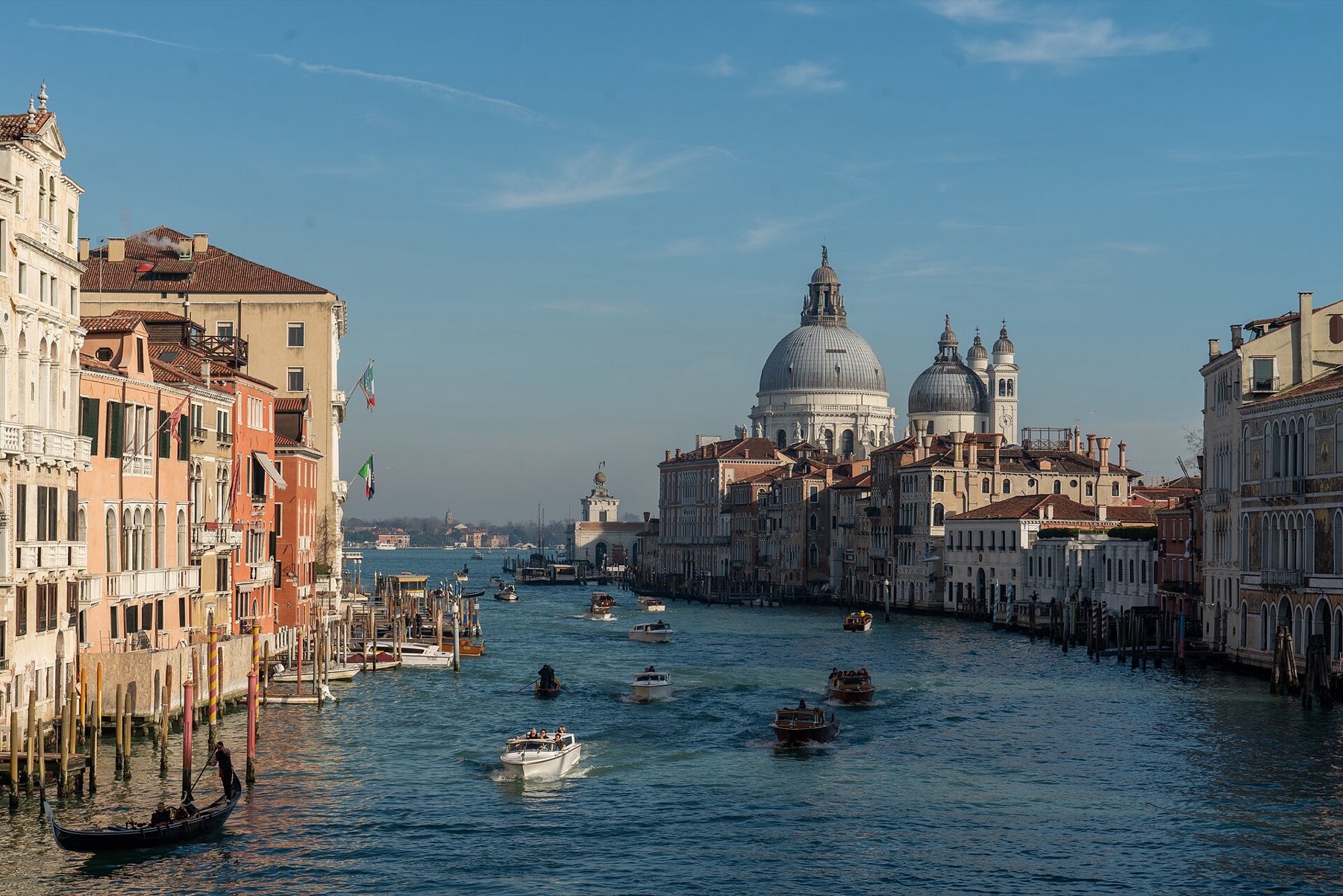
- Los canales de Venecia sin góndola. Ponte en el Puente de Rialto a las 7 de la mañana, antes de las multitudes. Esa es la Venecia real.
La trampa de la Costa Amalfitana y las Cinque Terre
Ambas son impresionantes. Ambas te destrozarán el presupuesto.
Los hoteles de la Costa Amalfitana empiezan en 180 € la noche en junio. Un autobús de Sorrento a Amalfi cuesta 2,40 € pero tarda 90 minutos en el tráfico. El ferry es más rápido (45 minutos) y cuesta 10 €. Merece la pena.
Las Cinque Terre son más baratas, pero siguen siendo caras para lo que ofrecen. El pase de tren cuesta 18,20 € al día. El alojamiento en Riomaggiore está entre 100 y 130 €. El mejor movimiento para ahorrar: alójate en La Spezia (70-90 €) y ve en tren a pasar el día. Los pueblos de las Cinque Terre son diminutos. No necesitas dormir allí.
Veredicto: Elige una o la otra, no las dos en una semana. Tu cartera y tu paciencia te lo agradecerán.
Gastos ocultos de los que nadie te advierte
- Impuesto turístico: ¿Siempre en efectivo? No. La mayoría de los hoteles exigen el pago del impuesto con tarjeta. Tenla a mano.
- Caprichos en las tiendas: Compra agua en un supermercado. Una botella de 1,5 litros cuesta 0,30 €. En un quiosco cerca del Coliseo, la misma botella cuesta 2,50 €. El margen es delictivo.
- Tasas por saltarse la cola: La entrada de la web oficial del Coliseo incluye una hora reservada. Sin coste adicional. Un tour de un tercero cobra 15 € extra. Reserva directo.
- Cajeros automáticos: Evita las máquinas de Euronet. Cobran una tarifa fija de 5-6 € y un mal tipo de cambio. Usa los cajeros de los bancos que tengan el logotipo de tu banco en la parte trasera de la tarjeta.
Un presupuesto ejemplo para una semana en Italia (2026)
| Gasto | Bajo | Medio | Alto |
|---|---|---|---|
| Alojamiento (7 noches) | 210 € (litera en albergue) | 650 € (B&B de 3 estrellas) | 1.050 € (buen hotel) |
| Comida (7 días) | 150 € (supermercado + comida callejera) | 250 € (mezcla de comidas baratas + 1 restaurante/día) | 350 € (2 restaurantes/día) |
| Transporte (interurbano + local) | 70 € (trenes regionales, solo autobús) | 110 € (1 alta velocidad + local) | 150 € (alta velocidad + taxis) |
| Atracciones y tasas | 30 € (2 sitios gratis + 1 iglesia) | 70 € (4 sitios de pago + 1 visita guiada) | 100 € (todas las visitas principales + sin colas) |
| Varios (agua, helados, propinas) | 20 € | 40 € | 60 € |
| Total | 480 € | 1.120 € | 1.710 € |
Lo que yo me quitaría
Sáltate el Lago de Como si vas justo de presupuesto. Es bonito pero carísimo. El ferry de Bellagio a Varenna está bien. Son 20 minutos. El resto son multitudes y cócteles de 20 €. Ve a Verona en su lugar. Cuesta la mitad, tiene un anfiteatro de verdad y el balcón de Julieta se ve gratis desde la calle. Mucha mejor relación calidad-precio.
¿Merece la pena gastar más en Cerdeña?
Cerdeña es cara de alcanzar. Los vuelos desde Roma empiezan en 40 € por trayecto con Ryanair. Pero las playas son realmente de clase mundial y, en su mayoría, gratuitas. El alojamiento en Cerdeña cuesta entre 80 y 120 € en junio. El gasto real es el alquiler del coche (50 €/día) y la gasolina. Si quieres una semana de playa sin museos, merece la pena pagar 200 € más que en un viaje a una ciudad continental. Solo no vayas en agosto. Todo se duplica.
Una advertencia final
Italia no es un destino barato para los viajeros improvisados. Reserva los trenes con antelación, el alojamiento al menos con dos semanas de antelación en temporada alta, y comprueba siempre si un restaurante cobra el cubierto (normalmente 2-3 € por persona). Si no lo ponen en la carta, pregunta. Algunos sitios lo añaden sin decírtelo. Es legal. Pero yo lo considero una falta de respeto, y me voy.
Disfruta del viaje. Gasta dinero en comida, no en baratijas.
Mejores tours y entradas en Roma
Seleccionados de Viator. Si reservas podemos recibir una comisión, sin coste extra para ti.

Vatican Museums, Sistine Chapel & St Peter’s Basilica Guided Tour

Rome 3 in 1 Cooking Class: Fettuccine, Ravioli & Tiramisu
Otra opción: entradas en Headout
Headout es otra plataforma de reservas. Compara y elige. Si reservas podemos recibir una comisión, sin coste extra para ti.


Combo: Colosseum, Roman Forum & Palatine Hill + Vatican Museums + Pantheon Tickets

Preguntas frecuentes
¿Cuánto dinero en efectivo necesito para una semana en Italia?
¿Es Italia más barata que Francia o España?
¿Cuál es el mes más barato para visitar Italia?
¿Se puede viajar a Italia con 100 € al día?
¿Debería comprar un pase de Eurail para Italia?
Guías relacionadas
Mejor época para viajar a Italia: veredicto mes a mes
Encuentra el mejor mes para tu viaje a Italia. Aglomeraciones, clima, precios y veredictos honestos para cada mes en 2026. Planifica mejor con consejos
Leer más →Tren vs Coche de Alquiler en Italia: Lo Que Funciona de Verdad
¿Coche de alquiler o tren en Italia? Costes reales, consejos honestos y zonas prohibidas para 2026 de un escritor que vive allí.
Leer más →¿Planeas un viaje por varias ciudades italianas este verano? Así es cómo maximizar tu
Planifica un itinerario italiano eficiente por cuatro ciudades equilibrando tiempo de viaje, costes y atracciones. Consejos para evitar multitudes.
Leer más →Temporada alta en Italia: Lo que necesitas saber para finales de julio de 2026
Últimas noticias para viajeros a Italia: contexto del incidente en Módena, datos de recuperación turística y consejos para julio-agosto 2026. Guía práctica
Leer más →Invierno en Italia: Dónde Sí Merece la Pena
Guía práctica para viajar a Italia en invierno: evita el caos veraniego, ahorra hasta un 40% en hoteles y descubre las mejores ciudades con horarios y
Leer más →Dónde alojarse en Italia: qué región elegir según tu viaje
Elige la región italiana que mejor se adapta a tu viaje. Consejos directos sobre Toscana vs Amalfi, Venecia vs Como, Sicilia vs Cerdeña. Precios
Leer más →Todos los precios y horarios de esta página son ESTIMACIONES y cambian a menudo. Son un punto de partida de un editor independiente, nunca cifras oficiales ni garantizadas. Comprueba siempre el precio final y los horarios con la fuente oficial antes de reservar o viajar.
Las normas, los horarios, las tarifas y los derechos del pasajero cambian, y esta página es un resumen, no una fuente oficial ni asesoramiento jurídico. Comprueba con el operador o la autoridad oficial antes de reservar o viajar, y trata lo que sea crítico para tu viaje como algo que hay que confirmar, no dar por hecho. Última revisión: 2026-07-11.