Redaktionelle Zusammenfassung mit KI-Unterstützung, geprüft. Die Fakten entsprechen dem, was die im Text verlinkten Quellen berichten. Prüfe Wichtiges vor dem Handeln. Fehler entdeckt? Nutze das Kontaktformular, wir korrigieren ihn.
Macht Winter in Italien überhaupt Sinn?
Ja, aber nicht überall. Der Sommer in Italien ist eine Aneinanderreihung von Selfie-Sticks, 35°C Hitze und 90-minütigen Warteschlangen für das Kolosseum. Der Winter dreht den Spieß um. Von November bis März fallen die Flugpreise aus den USA und Großbritannien um 30 bis 50 Prozent. Ihr könnt in die Uffizien spazieren, ohne vorher ein Ticket zu buchen. Aber ihr müsst die richtigen Orte wählen.
Die Küste stirbt im Winter. Positano wird zur Geisterstadt. Viele Restaurants schließen von November bis Ostern. Der Fährfahrplan an der Amalfiküste schrumpft auf ein Minimum. Gleiches gilt für die Cinque Terre: Wanderwege werden wegen Wartungsarbeiten gesperrt, die Dörfer wirken traurig leer. Lasst sie bis April in Ruhe.
Die Städte blühen auf. Rom, Florenz, Venedig, Neapel, Mailand, sie alle sind geöffnet und wunderbar. Die Preise sinken, die Einheimischen erobern sich ihre Straßen zurück, und das Licht ist golden und steht tief.
Wohin sollte man im Winter reisen?
Rom ist mein absoluter Wintertipp. Das Kolosseum, der Vatikan, die Galleria Borghese, ihr seht alles mit 70 Prozent weniger Besuchern. Die Cafés der Stadt sind voll, die Plätze sind kühl, aber sonnig. Das durchschnittliche Tagesmaximum im Januar liegt bei 12°C. Ihr schwitzt nicht, ihr steht nicht eine Stunde am Trevi-Brunnen an.
Neapel ist noch besser. Der Winter ist die echte neapolitanische Jahreszeit. Die Pizzaschlangen bei Sorbillo sind 10 Minuten statt 90. Die unterirdischen Ruinen und die Cappella Sansevero sind trocken und leer. Die Stadt ist laut und chaotisch, bei Regen und Sonnenschein, und das ist großartig. Schaut in meinen Guide zu /naples/ für Wintertipps.
Florenz im Januar ist kalt, aber leer. Der David in der Accademia: ihr könnt fünf Minuten allein vor ihm stehen. Einen Monat im Voraus buchen? Nicht nötig. Der größte Nachteil ist das kurze Tageslicht. Die Sonne geht schon um 16:45 Uhr unter. Plant Museumsbesuche also für den Vormittag ein. Mehr in meinem /florence/ Guide.
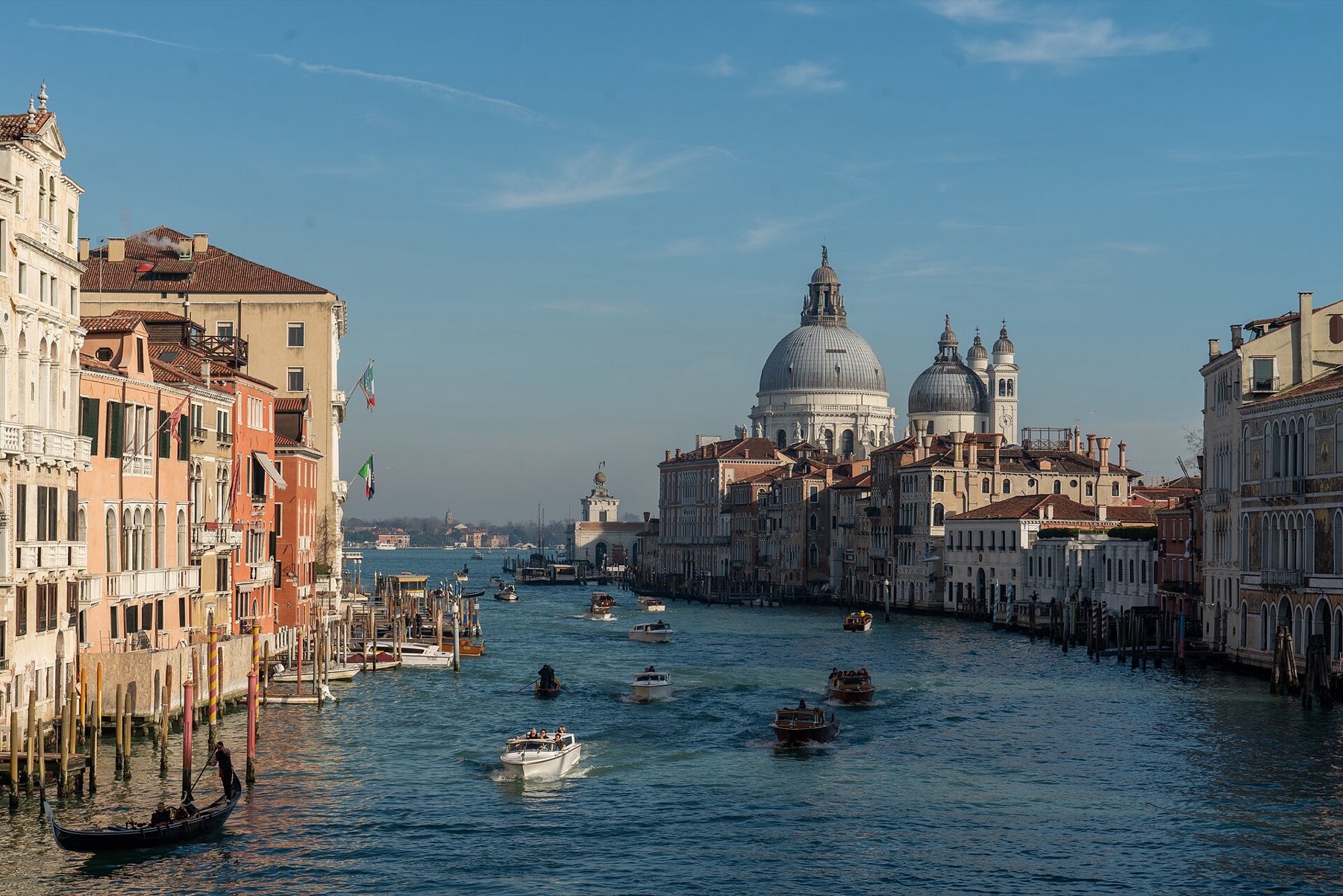
Venedig ist im Winter magisch. Das Acqua alta (Hochwasser) gibt es noch, aber ohne die Kreuzfahrtschiffmassen ist die Rialtobrücke tatsächlich begehbar. In der Nebensaison der Biennale sind die Hotels billiger. Bringt wasserdichte Stiefel mit. Diese Warnung ist ernst gemeint. Ich habe im Dezember ein Paar Leder Schuhe ruiniert. Auf meiner /venice/ Seite findet ihr die genauen Daten für den Karneval 2026 (14. Februar bis 3. März), das ist die einzige Zeit, in der die Winterpreise in die Höhe schnellen.
Mailand im Winter steht ganz im Zeichen von Shopping und Kultur. Die Tickets für das Abendmahl sind etwas leichter zu bekommen. Der Dom ist zwar begehbar, aber kalt. Die Navigli-Kanäle wirken im grauen Licht stimmungsvoll und schön. Der Winterschlussverkauf (Januar bis Februar) ist ein echtes Schnäppchen: 40 Prozent Rabatt in den Edelboutiquen. Mehr zu den Verkaufsdaten 2026 findet ihr unter /milan/.
Welche Orte sollte man im Winter meiden?
Der Comer See ist im Winter rausgeschmissenes Geld. Die Villen schließen früh, die Boote fahren nur nach einem Notfahrplan, und die Restaurants am See haben meist geschlossen. Die Aussicht ist grau und der Wind schneidet durch eure Kleidung. Fahrt im Mai oder September hin. Mein Rat unter /lake-como/ ist für den Winter nutzlos. Ich rate den Leuten dort zu warten.
Sizilien ist eine gemischte Sache. Die Südküste (Agrigent, Syrakus) bleibt mild, 15°C im Januar. Die Nordküste und das Inselinnere werden aber kalt und regnerisch. Viele Ausgrabungsstätten haben verkürzte Öffnungszeiten oder haben zusätzliche Ruhetage. Die Weihnachtszeit in Palermo ist wunderschön, aber ihr müsst vorher buchen. Der Februar in Taormina ist nass. Auf /sicily/ findet ihr monatliche Aufschlüsselungen.
Sardinien im Winter ist ein Fehler. Die Strände sind zwar leer, aber auch geschlossen oder man kann nicht baden. Das Busnetz auf der Insel fährt einen eingeschränkten Fahrplan, der Besuche der Nuraghen mühsam macht. Spart es euch für Juni bis September auf. Ich sage das, obwohl ich Sardinien liebe. Meine /sardinia/ Seite gilt nur für den Sommer.
Winterwetter: Echte Zahlen
| Stadt | Januar Höchstwert | Januar Tiefstwert | Regentage (Dez, Feb) |
|---|---|---|---|
| Rom | 12°C / 53°F | 3°C / 37°F | 7 pro Monat |
| Venedig | 7°C / 44°F | 1°C / 33°F | 6 pro Monat |
| Florenz | 10°C / 50°F | 2°C / 35°F | 8 pro Monat |
| Neapel | 13°C / 55°F | 4°C / 39°F | 9 pro Monat |
| Mailand | 6°C / 43°F | 0°C / 32°F | 7 pro Monat |
In Venedig gibt es Nebel, nicht nur Regen. Der Nebel ist wunderschön, aber er verlangsamt die Kanalnavigation. Nehmt immer eine warme Schicht und eine wasserdichte Außenjacke mit. Ein Regenschirm reicht gegen den Wind in Mailand nicht aus.
Wie viel Geld spart man im Winter?
Die Hotelpreise fallen drastisch. Ein 4-Sterne-Hotel im Zentrum von Florenz, das im August 250 EUR kostet, gibt es im Januar für 130 EUR. Das gleiche Zimmer in Rom in der Nähe der Piazza Navona sinkt von 300 EUR auf 170 EUR. Hin- und Rückflug von New York nach Rom kosten im Februar 2026 etwa 550 EUR, im Juli dagegen 950 EUR.
Museen senken ihre Eintrittspreise nicht. Ihr zahlt die gleichen 18 EUR für die Uffizien oder 17 EUR für das Kolosseum. Aber ihr spart den 5-EUR-Aufschlag für den Zeitslot in der Hochsaison. Und ihr spart euch die 40-minütige Schlange. Das ist eine Zeitersparnis, die echtes Geld wert ist.
Weihnachten und Silvester: Besondere Fälle
Kommt nicht nach Italien zu Weihnachten und erwartet ein kommerzielles Spektakel. Die Weihnachtsmärkte sind klein und lokal. Das große Ereignis ist Mariä Empfängnis am 8. Dezember, an dem viele Städte ihre Bäume schmücken. Silvester ist in Rom, Neapel und Mailand ausgelassen. Reservierungen für das Abendessen am 31. Dezember müssen bis November gemacht werden. Erwartet Festpreis-Menüs zwischen 80 und 150 EUR pro Person in den Touristenstädten.
Dreikönigstag (6. Januar) ist das eigentliche Ende der Ferienzeit. Danach ist der Januar der ruhigste Monat. Ich liebe den Januar in Italien. Er ist kalt, grau, billig und vollkommen ehrlich.
Was ist mit Skifahren?
Wenn ihr Skifahren wollt, fahrt in die Dolomiten. Cortina d'Ampezzo ist teuer (Skipass 70 EUR/Tag). Kleinere Skigebiete wie Bormio oder Cervinia kosten 50 EUR/Tag. Die Fahrt mit dem Zug von Mailand nach Bormio dauert mit dem Bus 4 Stunden. Bucht eure Unterkunft bis Oktober, sonst zahlt ihr das Doppelte.
Skifahren im Apennin (Abruzzen, Kampanien) ist günstiger, aber unsicherer. Schnee ist nicht garantiert. Plant keinen Skiurlaub um Rom oder Neapel herum, es sei denn, ihr prüft die täglichen Vorhersagen.
Praktische Wintertipps
Die Zeitumstellung Ende Oktober. Im Dezember geht die Sonne um 16:30 Uhr unter. Plant eure Besichtigungen im Freien zwischen 9 und 15 Uhr. Nach Einbruch der Dunkelheit konzentriert euch aufs Abendessen oder Aktivitäten in Innenräumen. Das ist keine Optional.
Habt Bargeld dabei. Im Winter akzeptieren kleinere Cafés und Trattorien, die für Einheimische geöffnet haben, manchmal keine Karten. Der Geldautomat in einem kleinen toskanischen Bergdorf kann kaputt sein. Mein /tuscany/ Guide verrät die Standorte zuverlässiger Geldautomaten.
Prüft vorher online die Winter-Öffnungszeiten. Viele Kirchen und Villen schließen früher oder haben eine Mittagspause. Der Palazzo Pitti in Florenz schließt von November bis Februar um 16 Uhr. Die Vatikanischen Museen schließen im Winter samstags um 14 Uhr.
Fähren zu den Inseln stellen den Betrieb ein oder werden drastisch reduziert. Die Fähre von Neapel nach Capri fährt im Januar nur noch zwei- oder dreimal am Tag. Die Blaue Grotte ist wegen der Flut oft geschlossen. Plant eure Reise im Winter nicht um Capri herum.
Öffentliche Verkehrsmittel sind in Ordnung. Die Züge fahren im Winter pünktlich. Der Hochgeschwindigkeitszug Frecciarossa von Rom nach Florenz braucht 1 Stunde 20 Minuten und kostet 40 EUR, wenn ihr zwei Wochen im Voraus bucht. Busse in kleinere Städte fahren seltener, aber zuverlässig.
Endgültiges Urteil: Fahrt in die Städte, meidet die Küsten
Der Winter ist die geheime Jahreszeit für Italiens Städte. Ihr erlebt das echte Leben, niedrigere Preise und leere Museen. Auf Sonnenbaden und Bootsausflüge müsst ihr verzichten. Das ist in Ordnung. Hebt euch das für den Sommer auf. Kommt zwischen November und März nach Rom, Neapel, Florenz oder Venedig. Lasst die Amalfiküste und den Comer See für den Mai. Ihr werdet mir danken.
Wenn ihr eine Winterreise plant und Verona hinzufügen wollt, das lohnt sich als Tagesausflug von Venedig (Zug: 1 Stunde 10 Minuten, 10 EUR). Die Arena ist ganzjährig geöffnet. Der Balkon der Julia ist kostenlos, aber selbst im Winter überfüllt. Lest /verona/ für Tipps, wie ihr der Touristenfalle um die Statue herum entgeht.
Der Winter in Italien ist kein Kompromiss. Es ist eine andere, bessere Art zu reisen, für Leute, die das Land sehen wollen, nicht die Postkarte.
Beste Touren und Tickets in Rom
Ausgewählt von Viator. Bei einer Buchung erhalten wir ggf. eine Provision, ohne Mehrkosten für dich.

Vatican Museums, Sistine Chapel & St Peter’s Basilica Guided Tour

Skip-the-Line Group Tour of the Vatican, Sistine Chapel & St. Peter's Basilica
Weitere Option: Tickets auf Headout
Headout ist eine weitere Buchungsplattform. Vergleiche und wähle. Bei einer Buchung erhalten wir ggf. eine Provision, ohne Mehrkosten für dich.


Combo: Colosseum, Roman Forum & Palatine Hill + Vatican Museums + Pantheon Tickets

Häufige Fragen
Lohnt sich eine Reise nach Italien im Winter?
Was ist der kälteste Monat in Italien?
Kann man im Winter in Italien schwimmen?
Haben Restaurants im Winter in Italien geschlossen?
Ist Venedig im Winter überflutet?
Ähnliche Guides
Beste Reisezeit für Italien: Monat für Monat bewertet
Finde den besten Monat für deine Italienreise. Massen, Wetter, Preise und ehrliche Urteile für jeden Monat 2026. Plane cleverer mit lokalen Tipps.
Weiterlesen →Italien-Kalender 2027: Feiertage, Events und die besten Reisedaten
Alle italienischen Feiertage 2027 mit Wochentag, die langen Wochenenden und die schon datierten Events 2027 von Venedig bis Verona.
Weiterlesen →Florence Leather Guide + Cheap Flights to Italy After England’s Win
Vermeide Kunstleder in Florenz. Finde echte toskanische Werkstätten. Plus: Norwegian und British Airways Flash-Sales nach dem England-Spiel.
Weiterlesen →Italien mit kleinem Budget: Was eine Woche 2026 wirklich kostet
Eine echte Woche in Italien für unter 1.200 €? Ja. Lesen Sie, was eine Reiseautorin, die dort lebt, tatsächlich ausgibt. Praxisnahe Kosten, Tipps und
Weiterlesen →Skip-the-Line Tickets in Italien: Wann sie sich lohnen
Ehrliche Tipps zu Skip-the-Line-Tickets in Italien. Wann kaufen (und wann Geld sparen). Preise, Warteschlangen und Insidertipps für Rom, Florenz, Venedig.
Weiterlesen →Venedig Reiseführer 2026: Ehrliche Tipps von einem Ortskundigen
Praktischer Venedig-Guide mit Kosten, Routen und lokalen Tipps. Touristenfallen meiden. Geschrieben von einem Expat, der monatlich hinfährt.
Weiterlesen →Alle Preise und Zeiten auf dieser Seite sind SCHÄTZUNGEN und ändern sich oft. Sie sind ein Ausgangspunkt eines unabhängigen Redakteurs, niemals offizielle oder garantierte Angaben. Prüfe den Endpreis und die Öffnungszeiten immer bei der offiziellen Stelle, bevor du buchst oder reist.
Regeln, Fahrplane, Tarife und Fahrgastrechte andern sich, und diese Seite ist eine Zusammenfassung, keine offizielle Quelle und keine Rechtsberatung. Prufe vor Buchung oder Reise beim offiziellen Betreiber oder der Behorde, und behandle alles Kritische als etwas, das bestatigt werden muss. Zuletzt geprüft: 2026-08-16.