Redaktionelle Zusammenfassung mit KI-Unterstützung, geprüft. Die Fakten entsprechen dem, was die im Text verlinkten Quellen berichten. Prüfe Wichtiges vor dem Handeln. Fehler entdeckt? Nutze das Kontaktformular, wir korrigieren ihn.
Januar
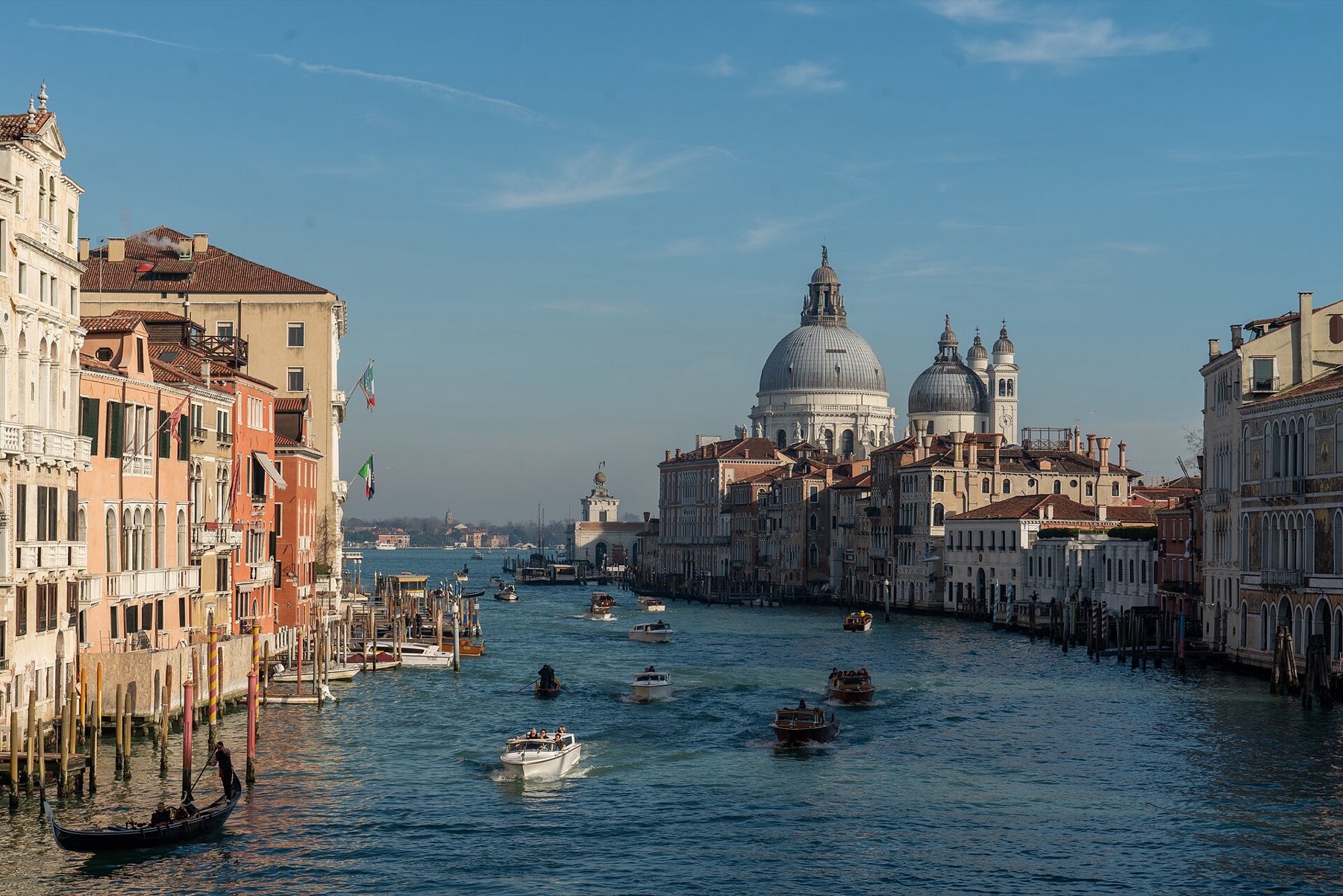
Der Januar ist Italiens ruhigster Monat. Venedigs Kanäle liegen im Nebel und die Gassen sind fast leer. Du fährst mit dem Vaporetto, ohne anstehen zu müssen.
Das Wetter ist kalt. In Rom und Florenz liegen die Temperaturen um 7-12°C. Die Amalfiküste ist tot: Die meisten Hotels schließen bis März. Lass es bleiben.
Fahr stattdessen nach Mailand zu den Winterschlussverkäufen. Auf Designerwaren gibt es bis zu 50 % Rabatt. Oder nach Verona zur Opernsaison im Januar in der Arena. Das fühlt sich echter an als die Sommerspektakel.
Fazit: Am besten für Sparfüchse und Fotofans. Am schlechtesten für Strand oder Landschaft.
Februar
Es bleibt kalt. Venedig feiert Carnevale (Höhepunkt Mitte Februar 2026). Die Preise in der Nähe des Markusplatzes verdreifachen sich. Ein Kaffee kostet dort 8 EUR. Meide die Touristenbereiche: Hol dir ein Frittelle-Gebäck in Cannaregio für 2 EUR.
Skifahren in den Dolomiten ist hervorragend. Ein TagesskiPass kostet 55-65 EUR. Die Pisten sind nicht überlaufen.
Fazit: Komm nur zum Carnevale, wenn du ein halbes Jahr im Voraus buchst. Sonst lass es.
März
Das Wetter bessert sich langsam. In Rom regnet es an etwa 12 Tagen. In der Toskana blühen die Blumen. Die Hügel bei Florenz sind grün und günstig.
Die Hotelpreise fallen um 30 % im Vergleich zum Sommer. Du kannst die Uffizien mit einem Ticket am selben Tag besuchen (Wartezeit: 20 Minuten, nicht 3 Stunden).
Fazit: Der kluge Monat für Reisende mit kleinem Budget. Nimm einen Regenschirm mit.
April
Die Osterwoche (April 2026) bringt Massen und hohe Preise. Ein Hotel in Rom, das im März 120 EUR kostet, steigt auf 250 EUR. Buche bis Januar.
Das Wetter ist angenehm: 18°C in Rom. Die Amalfiküste öffnet wieder, ist aber frisch. Die Wanderwege der Cinque Terre sind matschig, aber leer. Wander das Teilstück von Monterosso nach Vernazza in 90 Minuten, ohne jemandem ausweichen zu müssen.
Fazit: Guter Monat, aber meide die Osterwoche. Ende April ist ideal.
Mai
Der beste Monat überhaupt. Perfektes Wetter: 22°C in Rom, 20°C in Florenz. Alles ist geöffnet. Die Strände sind leer. Die Gärten blühen.
Die Preise steigen, sind aber immer noch 20 % niedriger als im Juli. Buche alles im Januar. Die Hotels am Comer See sind bis März ausgebucht.
Eine Warnung: Am 1. Mai (Tag der Arbeit) schließen die meisten Museen. Plane drumherum.
Fazit: Buchen. Du wirst keinen einzigen Tag bereuen.
Juni
Die Massen werden dichter. Die Temperaturen erreichen 28°C in Rom. Am Trevi-Brunnen stehen um 10 Uhr morgens 500 Leute.
Strandorte wie Positano und Sardinien werden voll. Die Fähre nach Capri kostet 22 EUR und ist mittags ausverkauft. Fahr früh.
Der Vorteil: Lange Helligkeit bis 20:30 Uhr. Du kannst Pompeji von 18 bis 20 Uhr mit halb so vielen Leuten besichtigen. Die neuen Abendöffnungszeiten 2026 gehen donnerstags bis 22 Uhr.
Fazit: Guter Monat, aber überall früh sein. Die Hitze ist moderat.
Juli
Brütende Hitze. Rom erreicht 35°C. Die Schlange am Kolosseum dauert 90 Minuten in der prallen Sonne. Buche ein Ticket mit Sprung an der Schlange (22 EUR) oder leide.
Hochsaison pur. Die Hotels kosten das Doppelte. Ein einfaches Zimmer in Florenz kostet 200 EUR. Die Straße an der Amalfiküste ist ein einziger Parkplatz: Die 30 km von Sorrent nach Amalfi dauern mit dem Auto 2 Stunden. Nimm stattdessen die Fähre (15 EUR, 50 Minuten).
Fazit: Meiden, außer du liebst Massen und Hitze. Fahr stattdessen nach Sizilien: Auf dem Ätna ist es bei 2.000m Höhe kühl.
August
Der schlechteste Monat für die meisten Reisenden. Die Italiener machen Urlaub. In Rom gibt es kaum Einheimische, dafür umso mehr Touristen. Kleine Geschäfte schließen für zwei Wochen.
In Neapel werden es 38°C. Der Beton strahlt um Mitternacht noch Hitze ab. Meide den August. Mach Sardinien oder Sizilien für die Küste: Das Wasser ist badewannenwarm bei 26°C. Die Preise sind trotzdem hoch.
Ferragosto (15. August) legt fast alles lahm, außer den Stränden.
Fazit: Geh in die Berge oder auf die Inseln. Meide die Städte.
September
Der zweitbeste Monat. Das Wetter ist warm: 24°C in der Toskana. Die Massen lichten sich nach der ersten Woche. Die Kinder sind wieder in der Schule.
Die Weinlese beginnt im Chianti. Du kannst für 30 EUR an einem Vormittag Trauben pflücken. Die Trauben sind süß und die Aussicht ist goldener Dunst.
Die Preise fallen um 15 % gegenüber dem August. Venedig ist immer noch voll, aber erträglich.
Fazit: Fast perfekt. Mitte bis Ende September ist mein persönlicher Favorit.
Oktober
Kühle Luft. In der Toskana verfärben sich die Blätter. Die Trüffelsaison beginnt in San Miniato. Ein Trüffelmenü kostet 45 EUR und ist jeden Cent wert.
Der Regen kommt zurück. In Florenz gibt es an 8 Tagen Regen. Pack eine Jacke ein.
Die Massen sind moderat. Du kannst um 14 Uhr ohne Reservierung in die Vatikanischen Museen gehen. Wartezeit: 15 Minuten.
Fazit: Super für Feinschmecker und Städtebummler.
November
Nebensaison. Regen ist häufig. Venedig hat Hochwasser: Acqua alta bedeckt den Markusplatz. Kauf Gummistiefel (10 EUR in jedem Tabakladen).
Hotels kosten in Rom nur 80 EUR. In der Sixtinischen Kapelle sind 50 Leute statt 500.
Fazit: Am besten für Schnäppchenjäger. Am schlechtesten für Outdoor-Pläne.
Dezember
Weihnachtsmärkte gibt es in Bozen und Verona. Ein Glühwein kostet 4 EUR. Die Atmosphäre ist gemütlich.
Die Christmette im Vatikan in Rom ist kostenlos, erfordert aber ein Ticket 3 Monate im Voraus. Ohne Ticket stehst du 4 Stunden draußen.
Silvester in Mailand: Straßenfest auf der Piazza del Duomo. Buch das Abendessen bis Oktober.
Fazit: Festlich und kalt, aber teuer um Neujahr.
Monat für Monat Vergleich
| Monat | Wetter | Massen | Preisniveau (Hotel, EUR/Nacht Durchschn.) | Am besten für |
|---|---|---|---|---|
| Jan | Kalt, neblig | Sehr niedrig | 80-120 | Reisen mit kleinem Budget, Museen |
| Feb | Kalt, regnerisch | Niedrig | 80-130 | Carnevale, Skifahren |
| Mär | Kühl, regnerisch | Niedrig | 90-140 | Günstige Besichtigungen |
| Apr | Mild, Schauer | Mittel | 130-180 | Ostern (wenn geplant), Blumen |
| Mai | Warm, sonnig | Mittel | 150-200 | Alles |
| Jun | Heiß, sonnig | Hoch | 180-250 | Lange Tage, Inseln |
| Jul | Sehr heiß | Sehr hoch | 200-300 | Strand (mit Geduld) |
| Aug | Extreme Hitze | Maximum | 220-350 | Küste, Berge |
| Sep | Warm, sonnig | Mittel-Hoch | 160-220 | Ernte, Wandern |
| Okt | Mild, nass | Mittel | 120-170 | Trüffel, Städte |
| Nov | Kalt, nass | Niedrig | 80-130 | Günstig, keine Warteschlangen |
| Dez | Kalt, festlich | Mittel | 100-160 | Weihnachtsmärkte |
Wann sind die schlimmsten Menschenmassen?
Juli und August sind am schlimmsten. Die Spanische Treppe in Rom sieht mittags aus wie ein Festivalpublikum. Die Uffizien in Florenz sind täglich um 9 Uhr ausverkauft. Die Rialtobrücke in Venedig wird zum Schieben.
Meine Regel: Wenn in jeder Hand ein Selfie-Stick ist, bist du im falschen Monat. Bleib beim Mai, September oder Ende Oktober.
Wie sieht es mit den Preisunterschieden aus?
Ein Standard-Doppelzimmer in Florenz Zentrum kostet im Januar 90 EUR und im August 270 EUR. Der gleiche Kaffee kostet 1,20 EUR in einer Eckkneipe und 4,50 EUR auf einem Platz mit Aussicht. Such die lokale Bar: Geh zwei Straßen vom Hauptplatz weg.
Auch die Zugtickets variieren. Ein Hochgeschwindigkeitszug von Rom nach Florenz kostet 29 EUR, wenn du 3 Monate im Voraus buchst, und 69 EUR, wenn du ihn im Juli am selben Tag kaufst.
Lohnt sich der Winter?
Ja, wenn du ein Museumsentdecker bist. Ich bin im Februar in 90 Minuten durch die Vatikanischen Museen gelaufen. Im August dauerte der gleiche Besuch 5 Stunden. Du sparst Zeit und Nerven.
Der Nachteil ist die Kälte. Pack Thermokleidung ein. Mein Wintermantel hat in einem Mailänder Outlet 120 EUR gekostet, perfekt für den Januar.
Was, wenn ich nur eine Woche habe?
Such dir eine einzige Region aus. Versuch nicht, Rom, Florenz und die Amalfiküste in 7 Tagen zu sehen. Du verbringst die Hälfte der Zeit im Zug. Konzentrier dich auf Rom und die Toskana oder nur auf Sizilien.
Eine Woche im April funktioniert gut für zwei Städte. Eine Woche im Juli funktioniert für ein einzelnes Strandziel wie Sardinien.
Häufige Fehler von Reisenden
Zu spät buchen. Mai und September sind bis Februar ausgebucht. Ich habe gesehen, wie Reisende im Juni 400 EUR für ein 150-EUR-Zimmer bezahlt haben, weil sie im Mai gebucht haben.
Feiertage ignorieren. Am 15. August machen kleine Städte dicht. Die Osterwoche legt alles lahm. Check vor der Buchung einen italienischen Feiertagskalender.
Hitze unterschätzen. Der Juli in Rom ist kein Urlaub. Es ist eine Ausdauerprüfung. Trag eine 1,5-Liter-Wasserflasche bei dir (0,50 EUR in jedem Supermarkt). Füll sie an den öffentlichen Brunnen kostenlos auf.
Zu viel einpacken. Italiener kleiden sich smart casual. Jeans und ein schickes Hemd funktionieren überall. Lass die Wanderschuhe zu Hause, wenn du nicht gerade die Cinque Terre oder die Dolomiten wanderst.
Endgültiges Fazit
Reis im Mai oder September. Du bekommst das beste Wetter, anständige Preise und erträgliche Massen. Wenn du Massen hasst, versuch es im März oder November. Wenn du Hitze und Partys magst, geht der Juli, aber mach dich auf was gefasst.
Italien belohnt den Frühplaner und den flexiblen Reisenden. Such deinen Monat weise aus und du wirst mit dem Wunsch abreisen, wiederzukommen.
Beste Touren und Tickets in Rom
Ausgewählt von Viator. Bei einer Buchung erhalten wir ggf. eine Provision, ohne Mehrkosten für dich.

Vatican Museums, Sistine Chapel & St Peter’s Basilica Guided Tour

Skip-the-Line Group Tour of the Vatican, Sistine Chapel & St. Peter's Basilica
Weitere Option: Tickets auf Headout
Headout ist eine weitere Buchungsplattform. Vergleiche und wähle. Bei einer Buchung erhalten wir ggf. eine Provision, ohne Mehrkosten für dich.


Combo: Colosseum, Roman Forum & Palatine Hill + Vatican Museums + Pantheon Tickets

Häufige Fragen
Was ist der günstigste Monat für eine Reise nach Italien?
Ist der Oktober ein guter Monat für eine Reise nach Italien?
Was ist der regenreichste Monat in Italien?
Sollte ich Italien im August meiden?
Wann ist die beste Zeit für die Amalfiküste?
Ähnliche Guides
Hochsaison in Italien: Was Reisende Ende Juli 2026 wissen müssen
Aktuelle Infos für Italien-Reisende: Einordnung des Vorfalls in Modena, Tourismus-Zahlen und praktische Tipps für Juli und August 2026. Unabhängiger Rat.
Weiterlesen →Zug vs Mietwagen in Italien: Was wirklich funktioniert
Solltest du in Italien ein Auto mieten oder den Zug nehmen? Praktische Kosten, Fallstricke und ehrliche Tipps für 2026 von einem Autor, der dort lebt.
Weiterlesen →Italien heute: Neue Sicherheitsregeln, keine großen Streiks und ein Sommer, der sich
Italien hat ein neues Sicherheitspaket verabschiedet, aber es gibt keine großen Streiks. Was Reisende zur Sicherheit und Sommerplanung 2026 wissen müssen.
Weiterlesen →Wo in Italien übernachten: Welche Region zu welcher Reise passt
Wähle die richtige Region für deine Italienreise. Direkte Tipps zu Toskana vs. Amalfi, Venedig vs. Como, Sizilien vs. Sardinien. Preise, Jahreszeiten und
Weiterlesen →Italien im Winter: Wo es wirklich Sinn macht
Praktischer Guide für Italien im Winter: Sommerchaos vermeiden, 40% bei Hotels sparen und die besten Städte mit echten Öffnungszeiten und Preisen erleben.
Weiterlesen →Ende Juli 2026 in Italien: Keine größeren Störungen gemeldet
Diese Woche keine Transportstreiks oder Museumsschließungen. Praktische Tipps für Besuche in Rom, Florenz, Venedig und mehr im Sommer 2026.
Weiterlesen →Alle Preise und Zeiten auf dieser Seite sind SCHÄTZUNGEN und ändern sich oft. Sie sind ein Ausgangspunkt eines unabhängigen Redakteurs, niemals offizielle oder garantierte Angaben. Prüfe den Endpreis und die Öffnungszeiten immer bei der offiziellen Stelle, bevor du buchst oder reist.
Regeln, Fahrplane, Tarife und Fahrgastrechte andern sich, und diese Seite ist eine Zusammenfassung, keine offizielle Quelle und keine Rechtsberatung. Prufe vor Buchung oder Reise beim offiziellen Betreiber oder der Behorde, und behandle alles Kritische als etwas, das bestatigt werden muss. Zuletzt geprüft: 2026-08-16.