Redaktionelle Zusammenfassung mit KI-Unterstützung, geprüft. Die Fakten entsprechen dem, was die im Text verlinkten Quellen berichten. Prüfe Wichtiges vor dem Handeln. Fehler entdeckt? Nutze das Kontaktformular, wir korrigieren ihn.
1. Rom: Das Kolosseum und das Forum (aber buch klug)
Starte in Rom. Nicht, weil es naheliegend ist, sondern weil es notwendig ist. Das Kolosseum und das Forum Romanum sind das Fundament der westlichen Zivilisation. Aber bitte. Steh nicht einfach am Eingang. Im Jahr 2026 kosten die normalen Eintrittskarten 18 EUR, aber das Skip-the-Line-Ticket kostet 24 EUR und spart dir mindestens eine Stunde in der Sonne. Buche mindestens zwei Wochen im Voraus auf der offiziellen Coopculture-Website.
Lass das Palatin-Ticket weg, wenn du wenig Zeit hast. Es ist meist nur Geröll. Gib die Stunde lieber im Pantheon aus. Der Eintritt ist frei, aber du brauchst eine Reservierung während der Stoßzeiten (10 bis 16 Uhr). Die Reservierung kostet 5 EUR.
Eine Warnung: Der Trevi-Brunnen wird bis Ende 2026 restauriert. Man sieht ihn noch von einem Laufsteg aus, aber das Wasser ist abgestellt. Plane deinen Trip nicht um ihn herum.
2. Florenz: Der David und die Domkuppel
Florenz ist klein. Du kannst das historische Zentrum in 30 Minuten zu Fuß durchqueren. Aber du wirst zwei volle Tage brauchen. Der David in der Accademia ist ein 15-minütiger Stopp. Das Ticket kostet 16 EUR. Buche online. Ohne Ticket wartest du 60 Minuten an der Schlange. Wenn dich Renaissance-Malerei langweilt, lass die Uffizien aus. Geh stattdessen zum Bargello für die Skulpturen. Der Eintritt kostet 11 EUR und es gibt fast keine Schlange.
Steig auf die Domkuppel. Es sind 463 Stufen. Kein Aufzug. Das Ticket kostet 30 EUR und beinhaltet auch die Baptisterium und das Museum. Die Aussicht auf die roten Dächer ist die Schmerzen in den Beinen wert. Mach es um 8 Uhr morgens oder 17 Uhr abends, um die schlimmsten Menschenmassen zu vermeiden.
Für ein richtiges lokales Essen geh zur Mercato Centrale. Oben ist eine Food Hall mit guten Pastagerichten für 12 EUR. Unten ist ein Markt für frische Zutaten. Ignoriere Restaurants mit Bildern auf der Speisekarte vor dem Dom. Die verlangen 18 EUR für einen Teller Pasta, der in einer richtigen Trattoria 10 EUR kostet.
3. Venedig: Verlauf dich mit Absicht
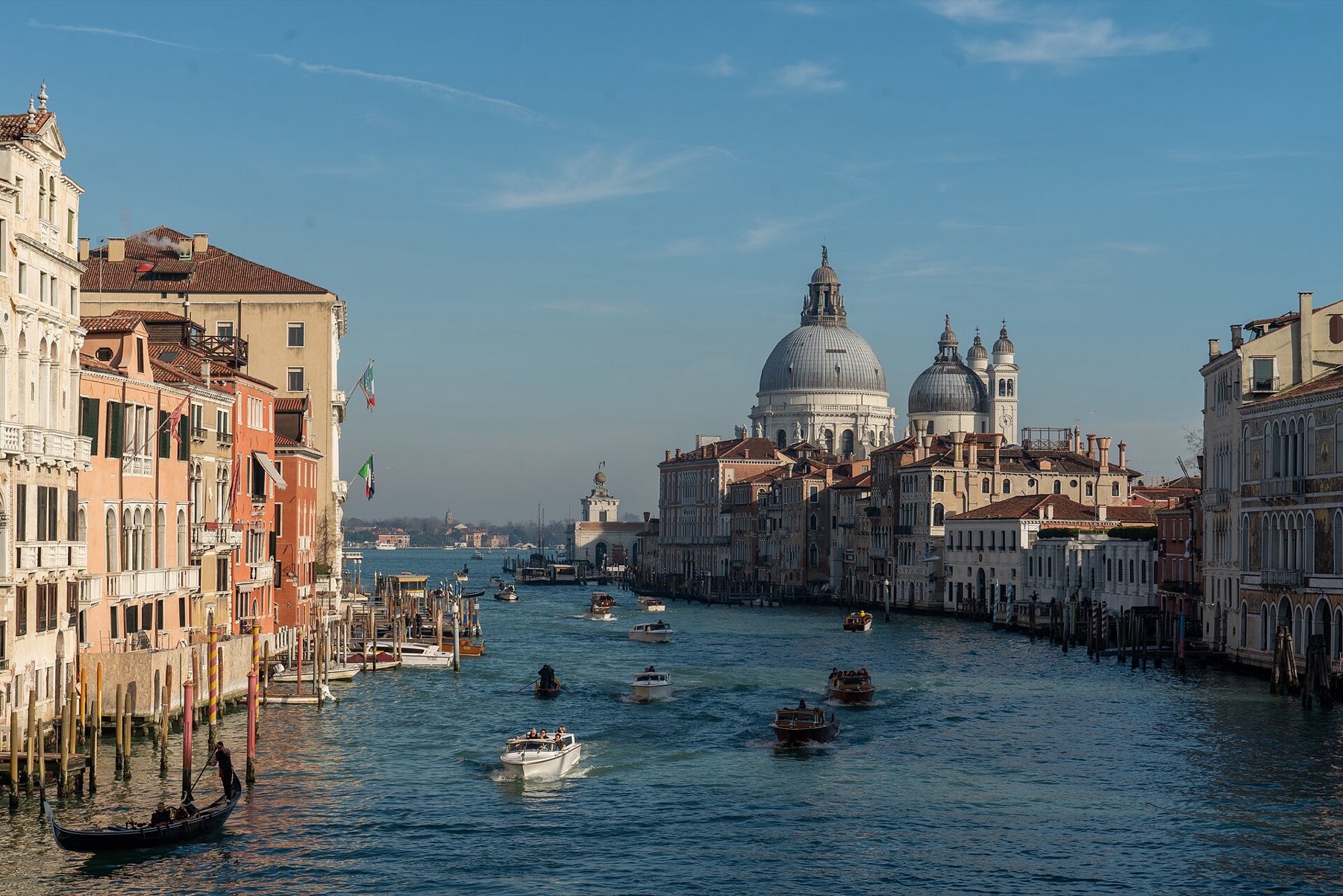
Venedig ist kein Museum. Es ist eine Stadt mit 260.000 Touristen pro Tag und 50.000 Einwohnern. Der wahre Trick ist, die Rialtobrücke und den Markusplatz zwischen 11 und 15 Uhr zu meiden. Geh stattdessen nach Norden in den Stadtteil Cannaregio. Da essen, shoppen und streiten die Venezianer.
Eine Gondelfahrt kostet 80 EUR für 30 Minuten (Festpreis, kein Feilschen). Mach es in der Dämmerung auf einem weniger überfüllten Kanal. Lass die Gesangs-Einlage weg. Sie ist laut und touristenhaft.
Wasserbus-Tickets kosten 9,50 EUR pro Fahrt. Kauf eine 24-Stunden-Karte für 21 EUR, wenn du drei oder mehr Fahrten planst. Die Vaporetto-Linie 1 fährt die gesamte Länge des Canal Grande entlang. Das dauert 45 Minuten und kostet so viel wie ein Einzelfahrschein. Beste Aussicht fürs Geld in Venedig.
4. Cinque Terre: Wander die Klippen, lass die Fähre aus
Die fünf Dörfer sind wunderschön, aber überfüllt. Von Mai bis September ist der Andrang groß. Der Zug zwischen den Dörfern kostet 5 EUR pro Fahrt oder 18,20 EUR für eine Tageskarte inklusive Wanderwege. Mach die Wanderung von Monterosso nach Vernazza. Sie dauert 90 Minuten, ist mittelschwer und bietet Meerblick, der die ganze Reise rechtfertigt. Der Weg kostet zusätzlich 7,50 EUR zur Zugkarte.
Lass Manarola bei Sonnenuntergang aus. Da geht jeder hin. Geh stattdessen nach Corniglia. Es ist das ruhigste Dorf, 365 Stufen vom Bahnhof entfernt, und hat die beste Aussicht ohne die Massen.
Bring Badeschuhe mit. Die Strände sind Kiesel, kein Sand. Ein Teller Trofie al Pesto kostet 14 EUR in einer guten Trattoria. Vermeide das abgepackte Focaccia an den Bahnhofsschaltern.
5. Die Amalfiküste: Positano ist überbewertet, mach Ravello
Positano ist hübsch, aber ein Parkplatz-Albtraum. Busse von Sorrent kosten 2,60 EUR und fahren stündlich. Sie sind voll. Lass die Fähre aus, wenn du anfällig für Seekrankheit bist. Im Juli ist es ganz schön holprig.
Ravello ist besser. Es liegt 350 Meter über der Küste, ist ruhiger und hat die Gärten der Villa Cimbrone. Der Eintritt kostet 10 EUR. Die Aussicht von der Terrasse der Unendlichkeit ist das beste Fotomotiv an der Küste. Übernachte in Ravello. Die Hotels sind günstiger als in Positano und du hast Ruhe, wenn die Tagesausflügler weg sind.
Zitronengranita vom Straßenstand kostet 4 EUR. Erfrischender als Limoncello um 11 Uhr morgens.
6. Die Toskana: Lass Siena aus, fahr die Nebenstraßen
Siena ist wunderschön, aber überlaufen. Fahr stattdessen nach San Gimignano. Die Türme sind schon von Kilometern Entfernung zu sehen. Der Eintritt in die Stadt ist kostenlos. Das Erklettern des Torre Grossa kostet 9 EUR und bietet eine 360-Grad-Aussicht auf die toskanischen Hügel.
Miet für einen Tag ein Auto. Es kostet 45 EUR plus Sprit. Fahr die SR222 von Florenz nach Siena. Halt in Greve in Chianti für ein Glas Wein (5 EUR) und einen Teller Crostini (8 EUR). Die Landschaft ist die wahre Attraktion. Lass die schicken Weingüter aus. In einer kleinen Familienkellerei kannst du drei Weine kostenlos probieren, wenn du eine Flasche kaufst (15 EUR).
Fahr nicht nur wegen des schiefen Turms nach Pisa. Die Stadt ist enttäuschend. Geh hin, wenn du einen halben Tag übrig hast. Sonst ist es ein 90-minütiger Umweg für ein Foto.
7. Mailand: Das Abendmahl und ein guter Aperitivo
Mailand ist eine Geschäftsstadt mit großer Kunst. Das Abendmahl von Leonardo hängt in der Kirche Santa Maria delle Grazie. Tickets kosten 15 EUR und sind Monate im Voraus ausverkauft. Du hast 15 Minuten im Raum. Keine Fotos. Buche über die offizielle Seite oder einen seriösen Drittanbieter. Betrug ist häufig. Ich habe Leute gesehen, die 80 EUR für ein Ticket gezahlt haben, das 15 EUR kostete.
Lass das Dach des Doms aus, wenn du Treppen hasst. Der Aufzug kostet 15 EUR. Die Aussicht ist in Ordnung, aber der wahre Grund, Mailand zu besuchen, ist das Essen. Aperitivo ist ein Ritual. Zahl 12 EUR für ein Getränk in einer Bar und du bekommst ein Buffet mit Pasta, Salaten und Snacks. Das Navigli-Viertel hat die besten Optionen. Komm um 19 Uhr.
8. Der Comer See: Ein Tagesausflug ist ein Fehler, übernachte eine Nacht
Der Comer See ist 50 Minuten mit dem Zug von Mailand entfernt. Ein Tagesausflug bedeutet 3 Stunden Anreise. Übernachte eine Nacht. Ein Budget-Hotel in Varenna kostet 90 EUR pro Nacht im Juni. Fähren zwischen den Städten kosten 6 EUR pro Fahrt. Die malerische Fähre von Como nach Bellagio dauert 2 Stunden und kostet 15,20 EUR.
Lass die Villa del Balbianello aus. Der Eintritt kostet 22 EUR und die Gärten hast du schon auf Instagram gesehen. Geh stattdessen den Greenway del Lago di Como. Das ist ein 10 Kilometer langer Weg von Colonno nach Cadenabbia. Kostenlos. Tolle Aussichten. Ruhig.
9. Neapel: Das beste Essen Italiens, dreckige Straßen
Neapel ist chaotisch. Müll auf den Straßen. Hupende Autos. Aber die Pizza ist es wert. Bei L'Antica Pizzeria da Michele kostet eine Margherita 5 EUR. Die Schlange ist 30 Minuten lang. Keine Reservierung. Iss sie im Stehen. So machen es die Neapolitaner.
Das Archäologische Museum kostet 15 EUR. Es beherbergt die besten Fundstücke aus Pompeji. Wenn du Pompeji selbst nicht besuchen kannst (18 EUR Eintritt, 2 Stunden mit dem Zug von Neapel), ist dieses Museum ein würdiger Ersatz.
Warnung: Bewahr dein Handy in der vorderen Hosentasche auf. Taschendiebe sind in der Metro-Linie 1 aktiv. Ich habe an einem Nachmittag drei Touristen gesehen, die ihre Geldbörsen verloren haben.
10. Sizilien oder Sardinien: Such dir eines für eine Woche aus
Versuch nicht beide. Sizilien ist größer, günstiger und geschichtsträchtiger. Sardinien hat die besseren Strände. Entscheide dich je nach deiner Geduld beim Autofahren. Sizilien erfordert ein Auto. Sardinien hat Direktflüge von Mailand und Rom.
Auf Sizilien lass Taormina aus. Es ist eine Touristenfalle mit Granita für 10 EUR. Fahr stattdessen nach Syrakus. Die Insel Ortigia hat freien Eintritt, griechische Ruinen und Meeresfrüchte für 15 EUR pro Teller. Das Tal der Tempel in Agrigent kostet 12 EUR und ist aufgrund seiner schieren Größe besser als die Akropolis.
Auf Sardinien ist die Costa Smeralda überbaut und teuer. Fahr zu den Stränden der Halbinsel Sinis. Is Arutas hat Sand aus winzigen Quarzkieseln. Weiß. Sauber. Kostenlos. Ein Bus von Oristano kostet 3 EUR.
Wie viele Tage braucht man für die erste Italienreise?
Mindestens zehn Tage. Sieben sind möglich, aber hektisch. Flieg nach Rom ein und von Mailand oder Venedig aus wieder raus. Verbring 3 Tage in Rom, 2 in Florenz, 2 in Venedig. Nutz die restlichen Tage für einen Abstecher zu den Cinque Terre oder der Amalfiküste. Züge zwischen den Städten kosten 45 bis 80 EUR für den Hochgeschwindigkeitszug (Frecciarossa oder Italo). Buche zwei Wochen im Voraus für den besten Preis.
Ist Italien sicher für Alleinreisende beim ersten Mal?
Ja, aber mit Köpfchen. Taschendiebe sind das Hauptproblem in Rom, Neapel und auf den Vaporettos in Venedig. Bewahr Wertsachen nicht in der Gesäßtasche auf. Meide dunkle Gassen nach Mitternacht im Bereich des Bahnhofs von Neapel. Ansonsten ist Italien sicherer als die meisten US- oder UK-Städte. Frauen, die allein reisen, werden von Männern angesprochen. Ein bestimmtes „Nein“ und Weggehen funktioniert. Ich habe es selbst gemacht.
Wann ist die beste Reisezeit?
April bis Juni und September bis Oktober. Juli und August sind heiß (35 Grad in Rom), überfüllt und teuer. Lass August ganz aus. Viele Geschäfte haben den ganzen Monat geschlossen. Dezember ist ruhig, aber kalt. Februar ist günstig, aber regnerisch.
Der eine Fehler, den Neulinge immer machen
Sie versuchen, zu viel zu sehen. Ich sehe Leute, die Rom, Florenz, Venedig, Cinque Terre, Amalfi und Sizilien in zehn Tagen planen. Das sind fünf Zugfahrten und null Erholung. Such dir maximal drei Orte aus. Du kannst immer wiederkommen.
Beste Touren und Tickets in Rom
Ausgewählt von Viator. Bei einer Buchung erhalten wir ggf. eine Provision, ohne Mehrkosten für dich.

Vatican Museums, Sistine Chapel & St Peter’s Basilica Guided Tour

Skip-the-Line Group Tour of the Vatican, Sistine Chapel & St. Peter's Basilica
Weitere Option: Tickets auf Headout
Headout ist eine weitere Buchungsplattform. Vergleiche und wähle. Bei einer Buchung erhalten wir ggf. eine Provision, ohne Mehrkosten für dich.


Combo: Colosseum, Roman Forum & Palatine Hill + Vatican Museums + Pantheon Tickets

Häufige Fragen
Muss ich Kolosseum-Tickets im Voraus buchen?
Ist die Gondelfahrt in Venedig das Geld wert?
Kann ich die Amalfiküste ohne Auto sehen?
Wie komme ich am besten zwischen Rom und Florenz?
Ist Trinkgeld in Italien üblich?
Ähnliche Guides
Ende Juli 2026 in Italien: Keine größeren Störungen gemeldet
Diese Woche keine Transportstreiks oder Museumsschließungen. Praktische Tipps für Besuche in Rom, Florenz, Venedig und mehr im Sommer 2026.
Weiterlesen →Hochsaison in Italien: Was Reisende Ende Juli 2026 wissen müssen
Aktuelle Infos für Italien-Reisende: Einordnung des Vorfalls in Modena, Tourismus-Zahlen und praktische Tipps für Juli und August 2026. Unabhängiger Rat.
Weiterlesen →Wo in Italien übernachten: Welche Region zu welcher Reise passt
Wähle die richtige Region für deine Italienreise. Direkte Tipps zu Toskana vs. Amalfi, Venedig vs. Como, Sizilien vs. Sardinien. Preise, Jahreszeiten und
Weiterlesen →Beste Reisezeit für Italien: Monat für Monat bewertet
Finde den besten Monat für deine Italienreise. Massen, Wetter, Preise und ehrliche Urteile für jeden Monat 2026. Plane cleverer mit lokalen Tipps.
Weiterlesen →Italien im Winter: Wo es wirklich Sinn macht
Praktischer Guide für Italien im Winter: Sommerchaos vermeiden, 40% bei Hotels sparen und die besten Städte mit echten Öffnungszeiten und Preisen erleben.
Weiterlesen →Italien heute: Neue Sicherheitsregeln, keine großen Streiks und ein Sommer, der sich
Italien hat ein neues Sicherheitspaket verabschiedet, aber es gibt keine großen Streiks. Was Reisende zur Sicherheit und Sommerplanung 2026 wissen müssen.
Weiterlesen →Alle Preise und Zeiten auf dieser Seite sind SCHÄTZUNGEN und ändern sich oft. Sie sind ein Ausgangspunkt eines unabhängigen Redakteurs, niemals offizielle oder garantierte Angaben. Prüfe den Endpreis und die Öffnungszeiten immer bei der offiziellen Stelle, bevor du buchst oder reist.
Regeln, Fahrplane, Tarife und Fahrgastrechte andern sich, und diese Seite ist eine Zusammenfassung, keine offizielle Quelle und keine Rechtsberatung. Prufe vor Buchung oder Reise beim offiziellen Betreiber oder der Behorde, und behandle alles Kritische als etwas, das bestatigt werden muss. Zuletzt geprüft: 2026-07-11.